

Best Remote Jobs for Digital Nomads in 2026
Jobs That Actually Work When You Move Countries
Let’s kill the fantasy early.
Most “remote jobs” are not digital nomad jobs.
They look flexible on paper, then fall apart the moment you cross a time zone, lose perfect internet, or stop replying instantly.
A real digital nomad job must survive distance, delay, and disruption.
This guide breaks down the best remote jobs for digital nomads in 2026 — not based on hype, but on what still works when life gets inconvenient.
First: What Makes a Job Nomad-Friendly?
Before job titles, you need a filter.
A job works for digital nomads if it meets at least three of these:
- Asynchronous communication is allowed
- Output matters more than hours
- Time zone overlap is limited or optional
- Location is irrelevant to performance
- Work can pause briefly without collapse
If a job fails here, travel turns into stress.
Most people skip this step. That’s why they burn out fast.
The 5 Categories of Remote Jobs That Actually Work
Almost every successful nomad job fits into one of these buckets:
- Freelance & Contract Roles
- Technical & Product Roles
- Marketing & Growth Roles
- Creative & Media Roles
- Operations & Support Roles
Let’s go through them properly.
1. Freelance & Contract Roles (Highest Flexibility)
This is where most digital nomads start.
Not because it’s easy — because it’s permissionless.
Why This Category Works
- You control your schedule
- You choose clients
- You define deliverables
Common roles:
- Writer / Editor
- Designer
- Video Editor
- Developer
- No-code builder
- Automation specialist
The key advantage isn’t skill.
It’s control.
If you price by outcome, not hours, location stops mattering.
Freelancing isn’t unstable.
Under-pricing is.

2. Technical & Product Roles (High Pay, Medium Flexibility)
These roles pay well, but flexibility depends on company culture.
Common roles:
- Software Engineer
- Data Analyst
- Product Manager
- QA / Testing
- DevOps
When These Work Well
- Async-first companies
- Global teams
- Clear deliverables
When They Don’t
- Heavy meeting culture
- “Always online” expectations
- Management obsessed with presence
Before accepting, ask:
- How many meetings per week?
- What time zones are required?
- What happens if I relocate?
If answers are vague, friction is coming.
3. Marketing & Growth Roles (Underrated for Nomads)
Marketing roles quietly fund a lot of nomad lifestyles.
Why? Because results matter more than location.
Strong options include:
- SEO Specialist
- Paid Ads Manager
- Email Marketing
- Conversion Optimization
- Content Strategy
Why this category works:
- Asynchronous by nature
- Performance-based
- Easy to move to retainer models
Marketing jobs fail when:
- Reporting is excessive
- Clients expect instant replies
- Scope isn’t defined
Structure beats hustle here.
4. Creative & Media Roles (Good Flexibility, Variable Income)
These roles attract nomads, but income consistency varies.
Examples:
- Video editing
- Motion design
- Illustration
- Podcast production
- Social media content
What works:
- Project-based pricing
- Clear timelines
- Fewer, better clients
What breaks:
- Hourly pricing
- Unlimited revisions
- “Quick changes” culture
Creative work must be bounded to survive travel.

5. Operations & Support Roles (Boring, Reliable)
These roles aren’t glamorous, but they work.
Examples:
- Operations manager
- Executive assistant
- Customer success
- Project coordination
Why they work:
- Clear systems
- Repeatable tasks
- Long-term relationships
Why they fail:
- Real-time support requirements
- On-call expectations
The more process-driven the role, the better it travels.
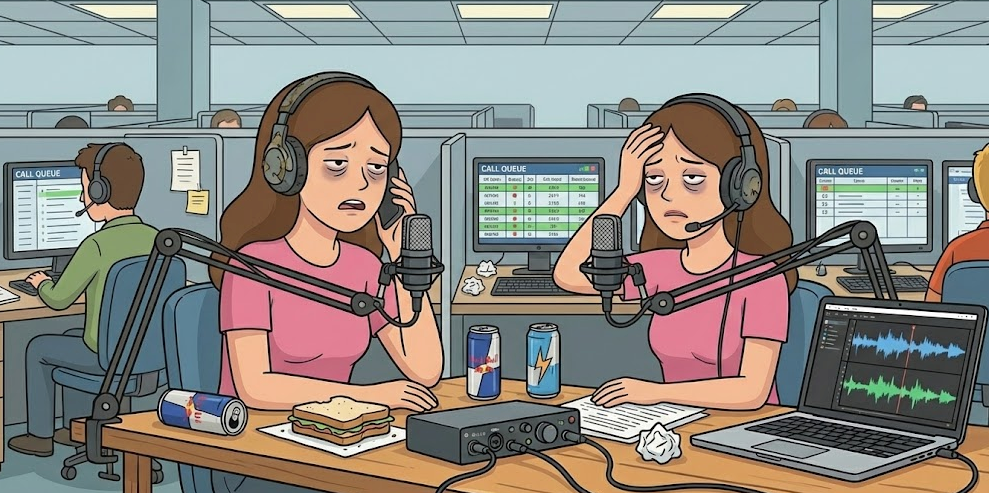
Jobs That Sound Remote but Usually Fail Nomads
Let’s be honest.
These jobs look flexible, but usually break under movement:
- Real-time customer support
- Call-center roles
- Teaching fixed-schedule classes
- Hourly monitoring jobs
They require presence, not output.
Presence doesn’t travel well.
How to Choose the Right Remote Job for You
Ask yourself three questions:
- Do I need stability or flexibility right now?
- Can I sell my skills or do I want a paycheck?
- How much uncertainty can I tolerate?
There’s no “best” job.
There’s only:
- Best for beginners
- Best for scaling
- Best for long-term stability
Your answer changes over time.
Income Expectations (Reality Check)
Remote jobs don’t magically pay more because you travel.
In practice:
- $2,000–$3,000/month → beginner, low stress
- $4,000–$6,000/month → stable nomad lifestyle
- $7,000+/month → optimization territory
More money doesn’t equal more freedom if it increases rigidity.
Freedom comes from margin, not income alone.
Common Mistakes When Choosing a Remote Job
These mistakes end trips early:
- Choosing pay over flexibility
- Ignoring time zones
- Accepting vague expectations
- Underestimating mental load
- Assuming “remote” means “location-free”
Clarity up front saves stress later.
The Smart Progression for Nomads
Most sustainable nomads follow this path:
- Remote job or freelancing (cash flow)
- Retainers or contracts (stability)
- Scalable income (leverage)
Trying to jump straight to step three usually creates pressure.
Pressure ruins the experience.
Final Thought
The best remote job for a digital nomad isn’t the highest paying one.
It’s the one that:
- Survives bad days
- Tolerates movement
- Doesn’t demand constant attention
When your job works without you babysitting it, travel becomes background noise.
That’s the goal.