
The One Skill That Multiplies Your Total Addressable Market
Most app developers are lazy.
They build a great product. They spend months on the code. They obsess over the UI. Then they launch in English.
And they wonder why they cap out at $10k a month.
Here is the math. English is spoken by about 17% of the world. That means if your app is only in English, you are ignoring 83% of the global population. You are voluntarily saying “no” to 83% of the money available on Earth.
That is stupid.
If you want to scale, you do not need a new feature. You do not need to rebrand. You need to speak the language of the person holding the credit card.
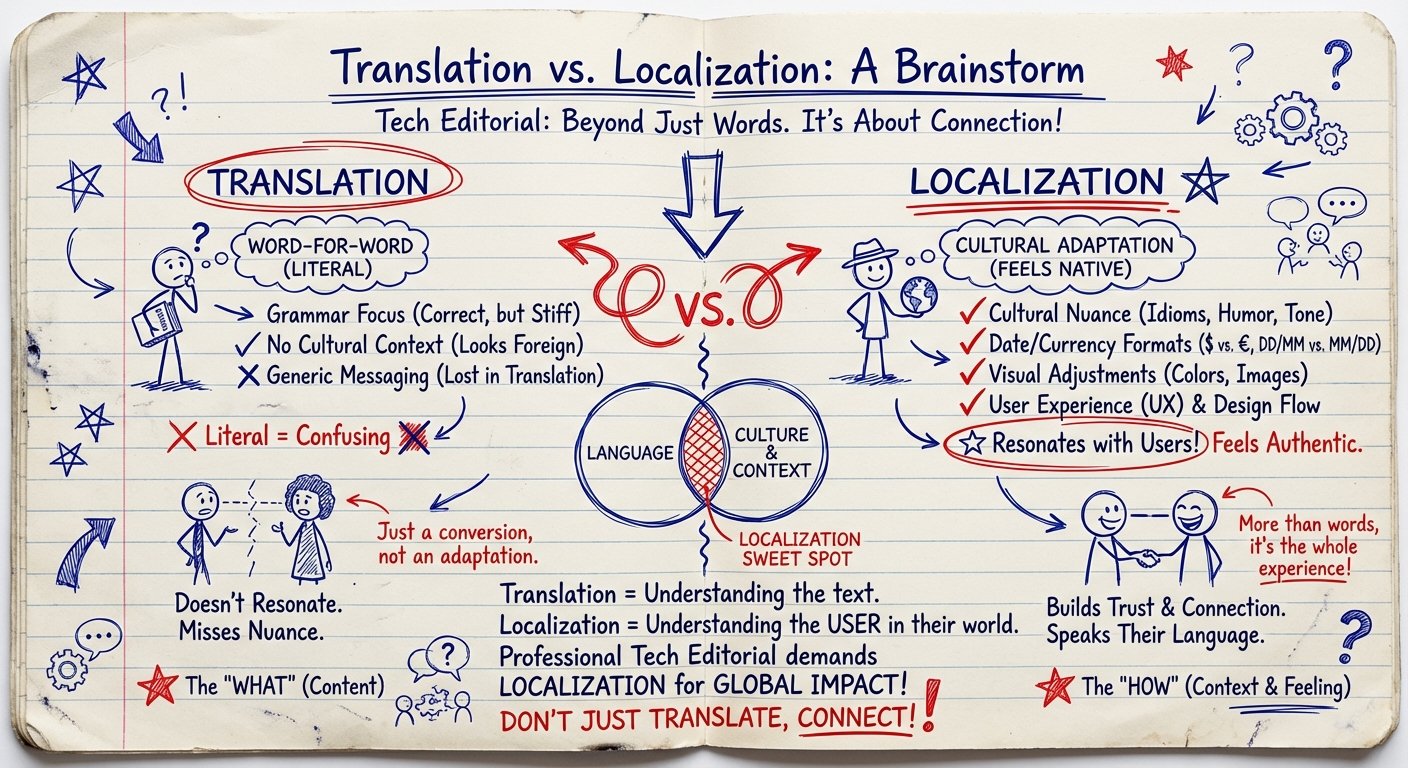
This is not about “translation.” Translation is cheap. Translation is swapping one word for another. That is a commodity. You can get that for free.
We are talking about Localization. This is high-value. This is how you take a user in Tokyo or Berlin and make them feel like you built the app specifically for them. That is how you increase conversion rates. That is how you print cash.
The “Cheap” Trap: Why Google Translate Loses You Money
I see this all the time.
A developer wants to launch in Brazil. They take their entire string file. They dump it into a free AI translator. They copy-paste the Portuguese output back into the code. They hit publish.
They think they saved money. They actually just lit their reputation on fire.
Here is why:
- Context is King: The word “Play” means something different in a music app than it does in a casino app. AI gets this wrong constantly.
- Text Expansion: German words are 30% longer than English words. Your “Submit” button works in English. In German, the text overflows, breaks the layout, and the user can’t click it. Your conversion rate drops to zero.
- Cultural Nuance: Colors, icons, and humor do not travel well. A thumbs-up is good in the US. In parts of the Middle East, it is an insult.
When a user sees a broken interface or weird grammar, they do not think, “Oh, they used a translator.” They think, “This app is a scam.”
They delete it. They churn. You paid for the install, and you got zero LTV (Lifetime Value).
Cheap inputs get you expensive problems.
The Hardware You Need to Test Reality
You cannot test localization on a simulator. Simulators lie.
You need to see what the font rendering looks like on actual glass. You need to see how the Arabic right-to-left layout interacts with the notch on a phone screen. If you are serious about mobile apps, you need a dedicated testing device that represents the average user.
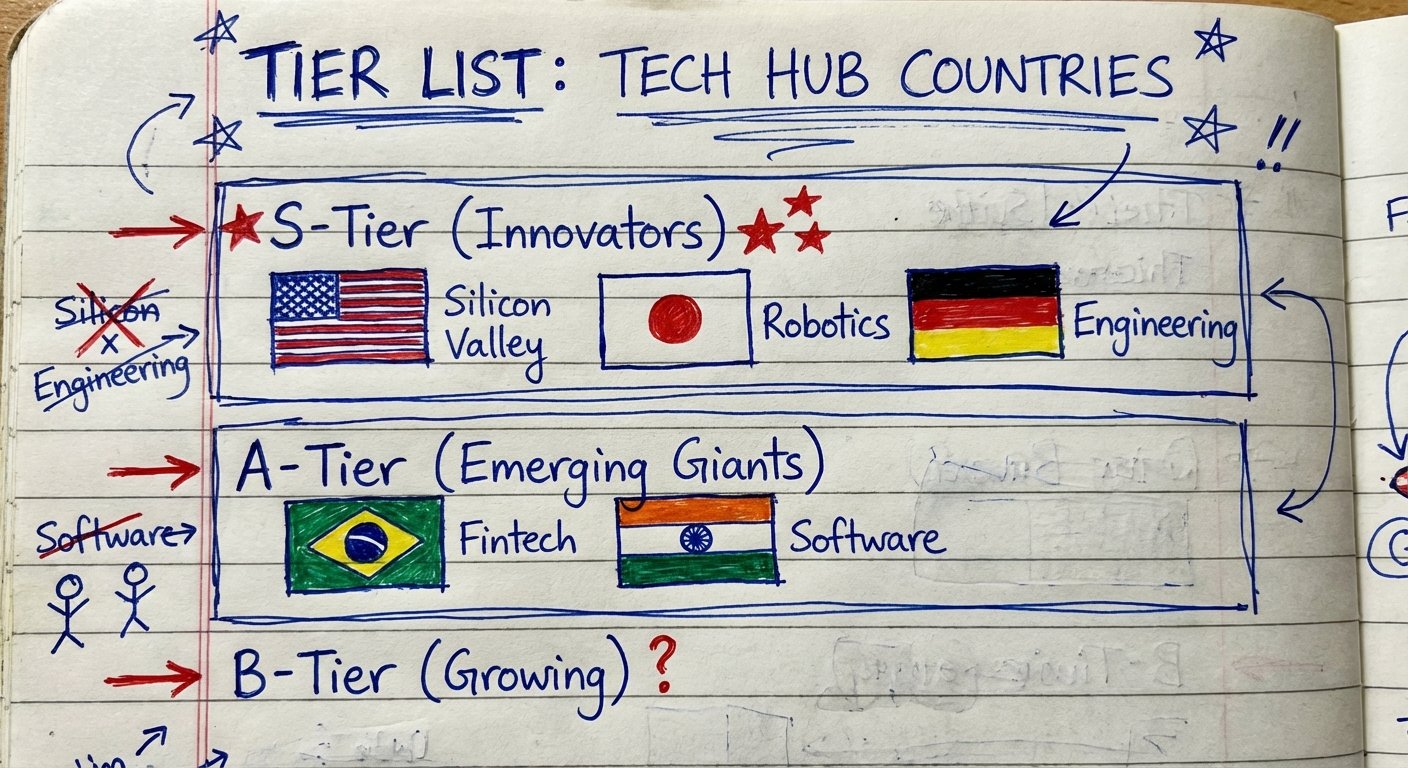
For Android, do not buy some obscure device. Get the baseline standard for pure Android. You want the Google Pixel.
Google Pixel 8 (128GB)
This is the benchmark. If your localized UI breaks on a Pixel, it is broken everywhere. It has a high-quality OLED screen so you can see color contrast issues in different regions, and it gets the latest Android updates first. This allows you to test new language support features before your competitors do.
Current Price: $499 – $699
Why this one? Because it is the control variable. When you are debugging why the Japanese font looks pixelated, you need to know it is the code, not the phone. The Pixel removes the hardware variable.

The High-Value Strategy: The TIER System
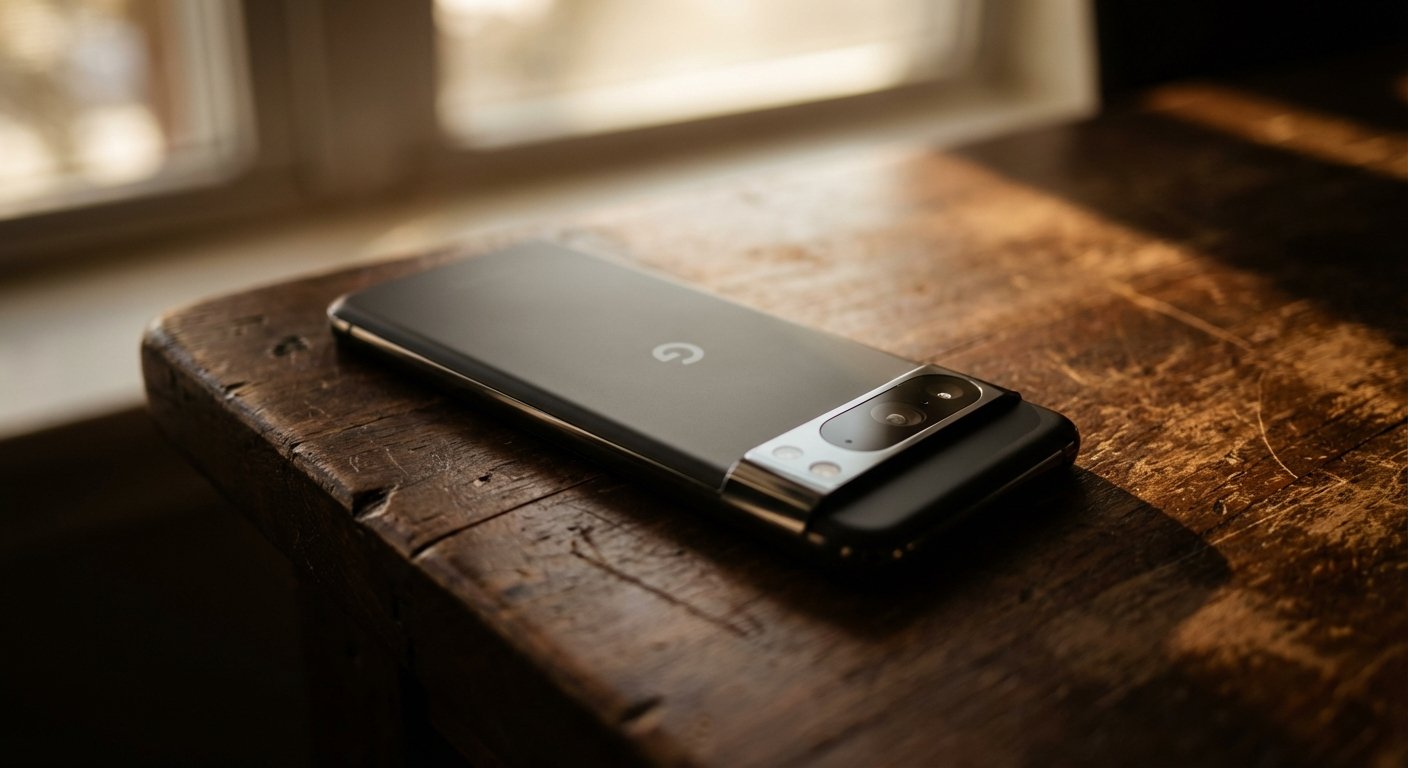
You do not launch in 50 languages at once. That is a waste of capital. You use the TIER system. You follow the money.
Tier 1: High ARPU (Average Revenue Per User)
These countries have money. They are used to paying for software. If you crack these markets, your revenue doubles.
- Japan: Massive mobile spenders. They expect perfection.
- Germany: High purchasing power. Strict on privacy and clarity.
- United States / UK / Australia: The English block.
Tier 2: The Volume Plays
These countries have lower ARPU, but massive populations. You make money here on volume or ad revenue.
- Brazil: huge social media usage.
- India: exploding digital adoption.
- Indonesia: the sleeper giant of Southeast Asia.
Start with Tier 1. Get the ROI. Use that cash flow to fund Tier 2.
The Hybrid Workflow: How to Scale Without Going Broke
Hiring a professional translation agency for every single word is too slow and too expensive. Doing it all with AI is trash. The solution is the Hybrid Model.
1. The UI and “Money Pages” (Human)
Your onboarding screens, your checkout page, and your subscription offer. These are the “Money Pages.”
Do not let a robot write these. Hire a native speaker. You need persuasive copywriting, not just translation. You need someone who knows how to sell to a French person in French. Pay the premium here. The ROI justifies it.
2. The Content and FAQ (AI + Edit)
If you have 500 help desk articles or dynamic user content, use AI. Use DeepL or GPT-4. Then, hire a junior editor to spot-check for major errors. This is 80% of the quality for 10% of the cost.
3. Linguistic QA (LQA)
This is the step everyone skips. Before you ship, a human must look at the app on a device. Not a spreadsheet. A device.
They need to click the buttons. They need to see that the German word for “Settings” didn’t push the “Logout” button off the screen. This takes one hour per language. It saves you thousands in churn.
The Gear for Focus and Audio Localization
If your app has audio—voiceovers, sound effects, or character dialogue—localization gets harder. You have to verify that the dubbed audio matches the lip-sync or the subtitles.
You cannot do this with cheap earbuds. You need to hear the hiss in the background. You need to hear if the audio file was cut off too early.
You need isolation.
Sony WH-1000XM5 Wireless Noise Canceling Headphones
These are the best consumer noise-canceling headphones on the market. Period. When you are reviewing audio files from a freelancer in Seoul, you need to hear exactly what they sent you. The noise cancellation lets you work in a coffee shop or a busy office without distraction. Time is money. Focus creates time.
Current Price: $320 – $398
Do not try to work with bad audio gear. You will miss mistakes. Those mistakes will ship. Users will hear them. You will look amateur.
The Testing Environment: iOS is King of Spend
We talked about Android. But we all know the truth.
Android has the volume. iOS has the spending power.
Statistically, iOS users spend more on in-app purchases and subscriptions than Android users. If you are serious about monetization, your iOS localization must be flawless.
Apple users are snobs. I am one of them. If an app feels “clunky” or foreign, we delete it. Apple’s design guidelines are strict. You need to test your localized app on the current standard hardware.
Apple iPhone 15 (128GB)
This is the mass-market flagship. It runs the latest iOS. It has the dynamic island. You need to see if your Arabic text wraps around that camera cutout correctly. You need to verify that your localized push notifications look good on the lock screen.
Current Price: $700 – $800
Do not use your personal phone for this. Get a dedicated test unit. Set the region to France. Set the language to French. Live in that environment for an hour. If you cannot navigate your own app, neither can your customer.
Execution is the Moat
Most of your competitors will not do this.
They will use Google Translate. They will ignore the layout bugs. They will focus on the US market only.
This is your advantage.
By spending a little bit of time and capital on proper localization, you lower your CAC (Customer Acquisition Cost) in foreign markets because your conversion rate is higher. You increase LTV because users stay longer.
It is simple math.
Input: High-quality localization + Real device testing.
Output: Global revenue.
Stop playing small. Go global.