The Cost of Isolation
Most digital nomads fail.
They don’t fail because they run out of money. They don’t fail because their laptop breaks. They fail because they get lonely, get depressed, and go home.
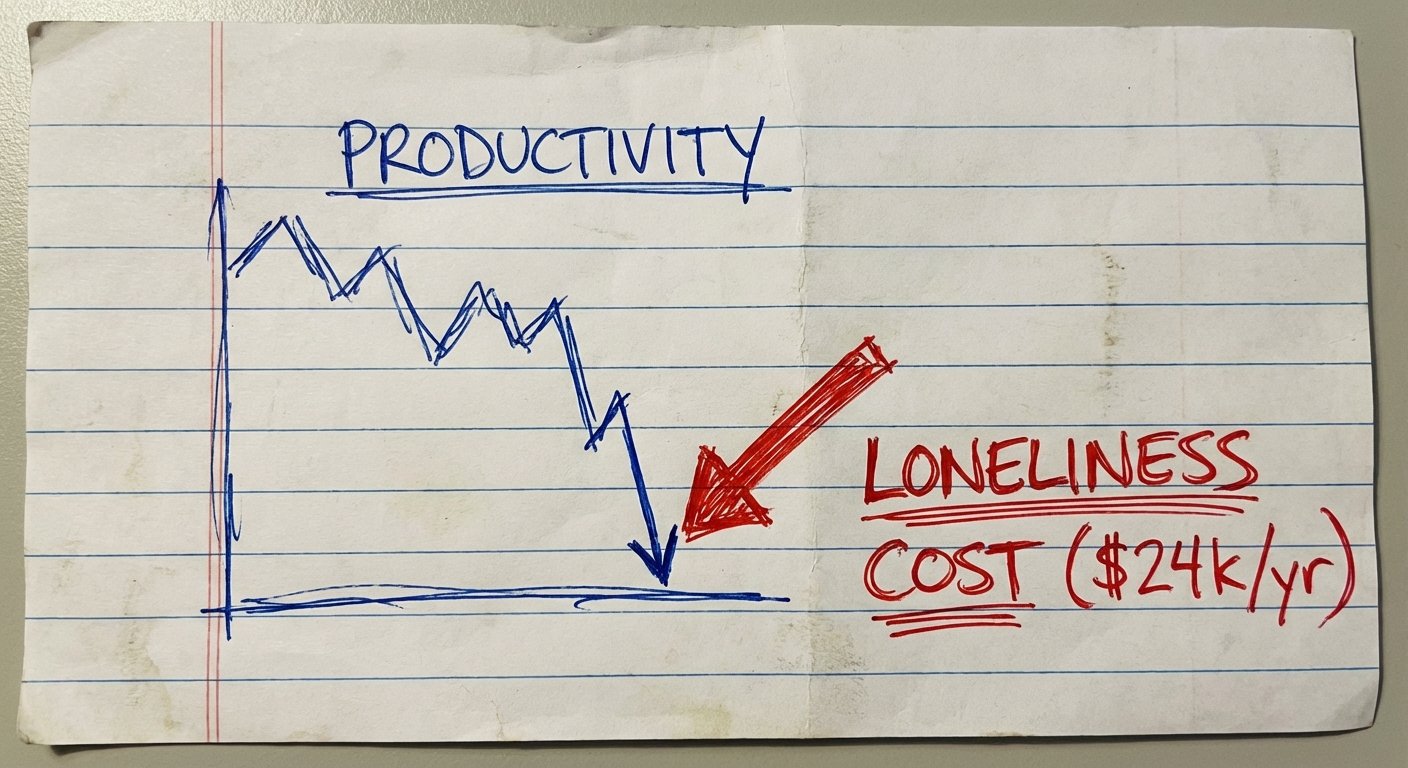
Loneliness is not a feeling. It is a metric. And it is a metric that destroys your ROI.
When you are lonely, your cortisol goes up. When cortisol goes up, your cognitive function goes down. You make bad decisions. You work slower. You lose focus.
If you generate $10,000 a month, and loneliness makes you 20% less efficient, that feeling costs you $2,000 a month. That is $24,000 a year. That is the price of not having a social strategy.
Most people treat making friends like buying a lottery ticket. They show up in a new city and “hope” they meet cool people.
Hope is not a strategy. Hope is for amateurs.
You need a blueprint. You need to engineer your social life the same way you engineer your sales funnel. You need volume, you need qualification, and you need conversion.
The “Friend Funnel” Methodology
In business, you have leads. In life, you have acquaintances.
You need to stop looking for “friends” immediately. It is too high of a bar. You need to look for leads.
Here is the reality of the Nomad Social Market:
- Low Barrier to Entry: Hostels, free meetups, pub crawls.
- High Barrier to Entry: Paid masterminds, exclusive co-living, invite-only dinners.
If you go to low-barrier events, you get low-quality leads. You meet people who are traveling on $10 a day. There is nothing wrong with that, but they are not going to understand your business problems. They cannot add value to your work.
You want high-value leads. You want people who are earning. People who are building.
To get them, you must pay. You pay with money, or you pay with effort.
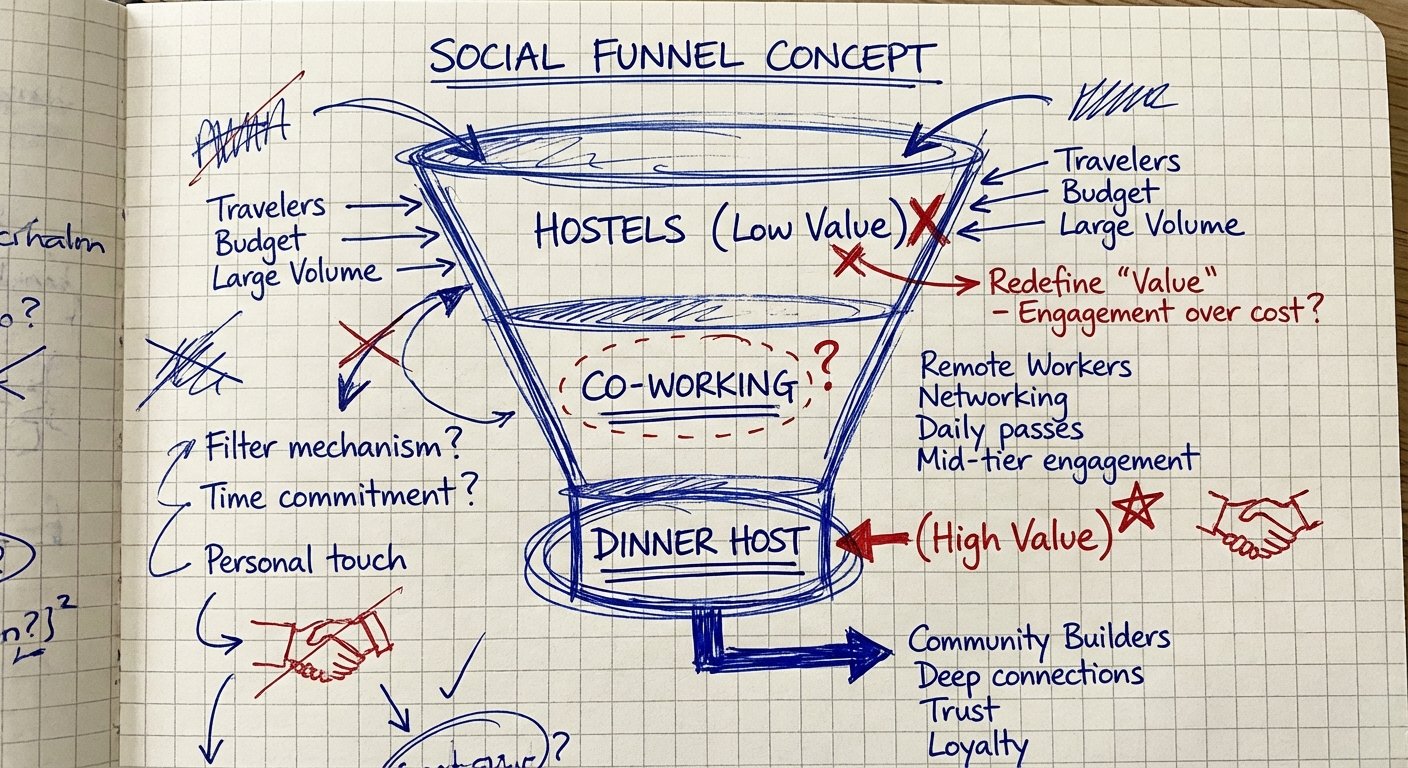
This is the funnel:
Top of Funnel: Co-working spaces (not cafes).
Middle of Funnel: Activity-based groups (CrossFit, BJJ, Run Clubs).
Bottom of Funnel: The “Host” Strategy (You pay for dinner).
Stop Renting Solo Airbnbs
I see nomads renting beautiful apartments all alone. They sit in a glass box, work for 10 hours, order Uber Eats, and sleep.
This is a prison.
You are paying a premium for isolation. If you want to maximize social ROI, you need to be where the traffic is. In retail, they call this “footfall.”
You need high footfall.
Look for managed co-living brands. I’m not talking about a hostel with bunk beds. I’m talking about places like Outsite, Selina, or specialized local co-living hubs.
You pay 20% more than rent. But that 20% buys you a curated network. It puts you in a kitchen with 10 other people who work on laptops. You don’t have to “try” to meet them. You just make coffee.
However, co-living has a downside: Noise.
You cannot afford to be distracted. You need to be social on your terms. When it is time to work, you need to shut the world off.
You need a physical “Do Not Disturb” sign. The industry standard for this is the Sony WH-1000XM5.
They signal to everyone around you: “I am in deep work. Do not talk to me.”
They destroy background noise. They let you work in a chaotic common room without losing focus. When you take them off, you are open for business. When they are on, you are closed.
Current Price: $348 – $399
The “Host” Strategy
Most nomads wait for an invitation. They are passive.
If you want to control your social circle, you must become the host. Being the host gives you authority. It gives you status.
Here is the play:
- Go to a co-working space.
- Find 3 or 4 people who look like they are actually working (not scrolling Facebook).
- Say this: “I’m organizing a dinner for entrepreneurs tonight. I’m covering the bill. I just want to get smart people in a room. You in?”
You pay the bill.
Maybe it costs you $150. Who cares? You just bought 2 hours of attention from 4 high-quality people. You skipped the small talk. You created value first.
This is the highest ROI social move you can make. You become the connector. People remember the connector.

Tech That Solves Social Friction
Friction kills connection.
If your internet is bad, you can’t join the Zoom happy hour with your friends back home. If your audio is bad, people get annoyed talking to you. If you are constantly looking for WiFi, you aren’t meeting people.
You need to bring your own infrastructure.
1. The Internet Lifeline
You cannot rely on cafe WiFi. It is negligent. If you drop off a client call, you look amateur. If you drop off a call with your family, you feel distant.
You need a mobile hotspot that screams “Pro.”
The Netgear Nighthawk M6 Pro is the beast mode solution. It uses 5G. It is unlocked. It supports WiFi 6E. You put a local SIM card in it, and you have enterprise-grade internet in your pocket.
You become the person with the WiFi. When the cafe internet goes down, everyone looks at you. You share your password. You made a friend.
Current Price: $450 – $900 (Depending on model/unlock status)
2. The High-Fidelity Presence
When you do talk to people online, you need to feel real. Laptop webcams are garbage. They make you look grainy and dark. They make you look far away.
Connection requires clarity.
If you look sharp, people respect you more. It is subconscious. You need a camera that mimics human eyesight.
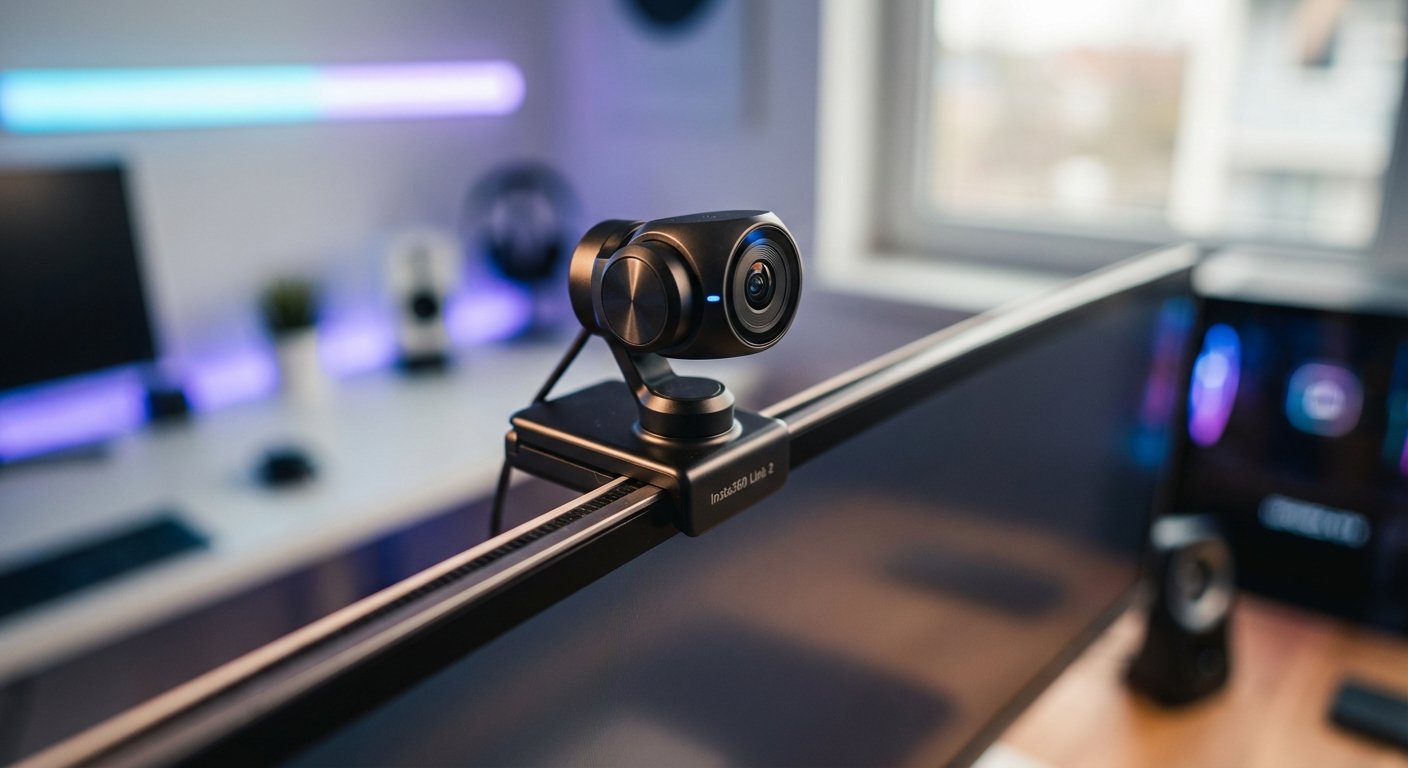
The Insta360 Link 2 is an AI-powered webcam that tracks you. It uses a larger sensor than your laptop. It blurs the background naturally. It makes you look like you are in the room with them.
Don’t be a pixelated blob. Be a person.
Current Price: $199 – $299
Leverage “Shared Suffering”
The fastest way to bond with humans is not through comfort. It is through struggle.
This is why military units are tight. This is why sports teams are tight.
Do not ask people to go for coffee. Coffee is easy. Coffee is boring.
Ask people to do something hard.
- “I’m going to hike that volcano at 4 AM. Want to come?”
- “I’m doing a brutally hard workout at the local CrossFit box. Join me?”
- “I’m doing a 4-hour deep work sprint. No phones allowed.”
Shared suffering creates dopamine and oxytocin. It accelerates the friendship timeline. You can become closer to someone in 4 hours of hiking than in 4 months of coffee chats.
Screen for people who like hard things. Those are the people who succeed.
The Maintenance Protocol
Meeting people is easy. Keeping them is hard.
Nomads leave. You leave. The entropy of the universe pulls you apart.
You need a CRM (Customer Relationship Management) system for your life.
I don’t care if it’s a spreadsheet or an app. Write down the names of the people you met. Write down one thing they are struggling with. Set a reminder to message them in 30 days.
“Hey man, how did that launch go?”
That is it. That is the text. It takes 10 seconds. It keeps the line open.
If you don’t operationalize your follow-up, you will end up with 1,000 acquaintances and zero friends.
The Blueprint Summary
Loneliness is a choice. It is the result of poor planning.
If you want to win at the nomad game, you need to treat your social life like a business unit.
1. Optimize Environment: Co-living over solo apartments.
2. Buy the Gear: Sony Headphones to focus, Netgear Hotspot to connect.
3. Be the Host: Buy the dinner. Buy the status.
4. Seek Struggle: Do hard things with other people.
5. Follow Up: Use a system, not your memory.
You are the average of the 5 people you spend the most time with. On the road, you get to choose those 5 people every single month.
Choose wisely.