Most people think remote work is about sitting on a beach with a laptop.
It isn’t.
That is how amateurs lose their laptops to sand damage and glare.
Remote work is about geo-arbitrage.
It is about earning in a strong currency (USD, GBP, EUR) and spending in a weak one.
It is about increasing your discretionary income without working more hours.
You want high infrastructure. You want low cost of living. You want a time zone that doesn’t wreck your sleep schedule.
Africa is the most undervalued asset in the digital nomad market right now. While everyone else is crowding into Bali and Lisbon, driving up rents and slowing down Wi-Fi, the smart money is moving south.
I have analyzed the data. I have looked at internet speeds, safety indices, and cost-to-quality ratios.
Here are the best hubs for 2026. This isn’t a travel guide. This is an ROI calculation.

The Criteria: How We Measure ROI
I don’t care about “vibes.”
I care about friction.
Friction kills productivity. If the power goes out, you lose money. If the internet is slow, you lose money. If you get robbed, you lose a lot of money.
We rank these hubs based on three things:
- Infrastructure Reliability: Power and Internet.
- Cost of Living vs. Quality of Life: What do you get for $2,000/month?
- Time Zone Alignment: Can you work European or US East Coast hours without ruining your health?
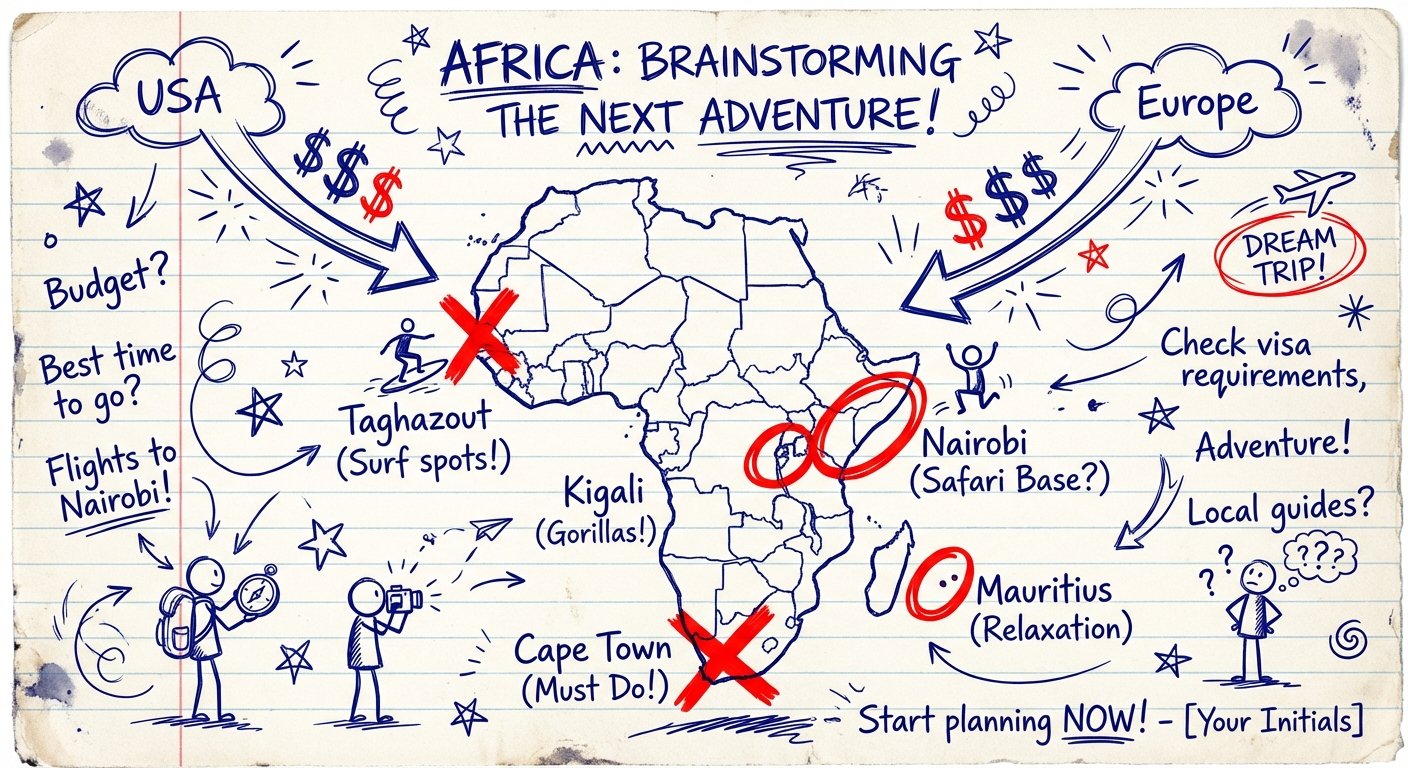
Hub 1: Cape Town, South Africa (The High-Risk, High-Reward King)
Cape Town is the best city in Africa. Period.
It is also the only place on this list that requires you to buy hardware to survive.
The geography is world-class. You have mountains, oceans, and a city that looks like Los Angeles but costs 70% less.
The Math:
- Rent: $800 – $1,500 for a luxury 1-bedroom in a safe zone (Sea Point, Camps Bay).
- Food: $15 for a steak dinner that would cost $80 in New York.
- Time Zone: UTC+2. Perfect for Europe. Doable for US East Coast (you start late, you finish late).
The Problem: Load Shedding.
South Africa turns the power off. On purpose. Sometimes for 4 to 8 hours a day.
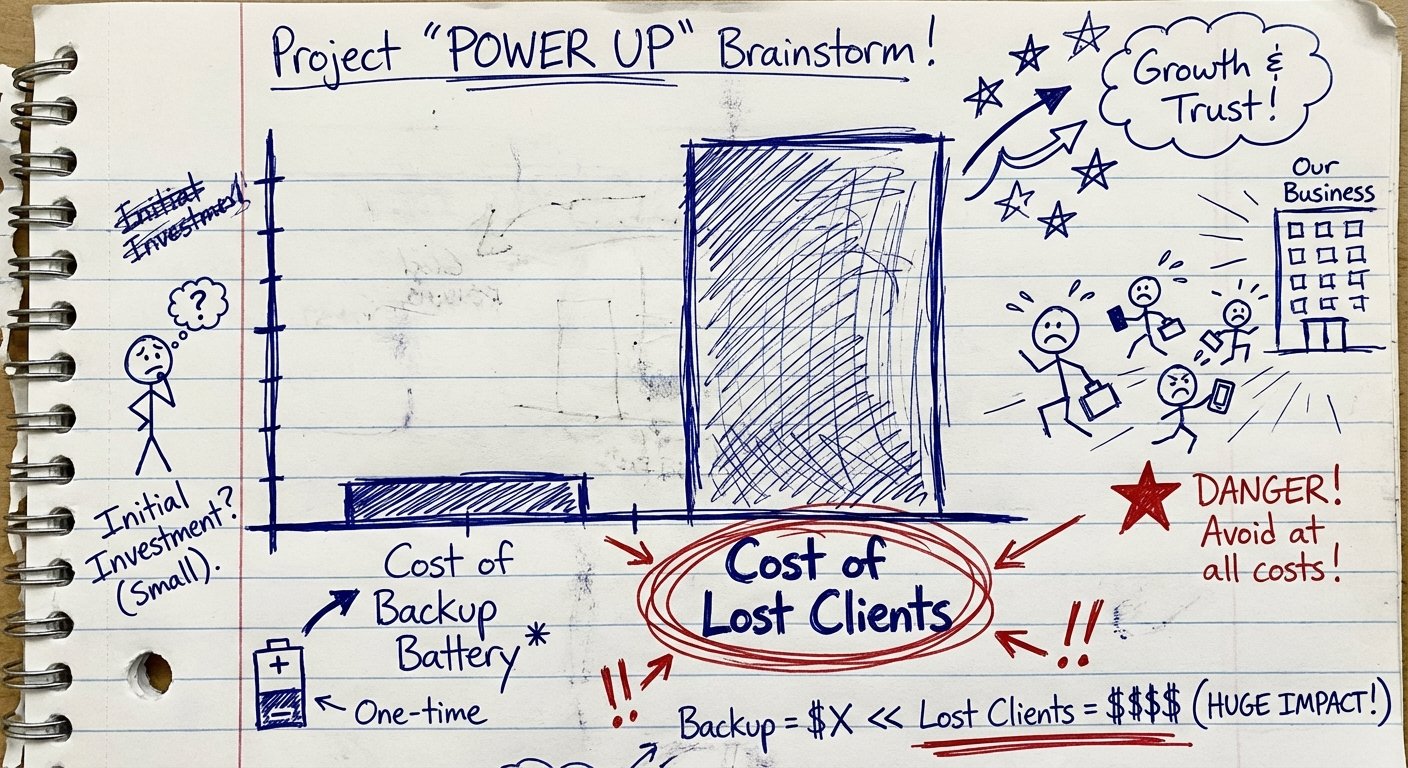
If you are an employee, your boss will fire you. If you are a founder, your clients will leave you.
You cannot rely on the grid. You need leverage. In this case, leverage is a battery.
Do not rely on coffee shops. They get crowded when the power dies.
The Hardware Solution
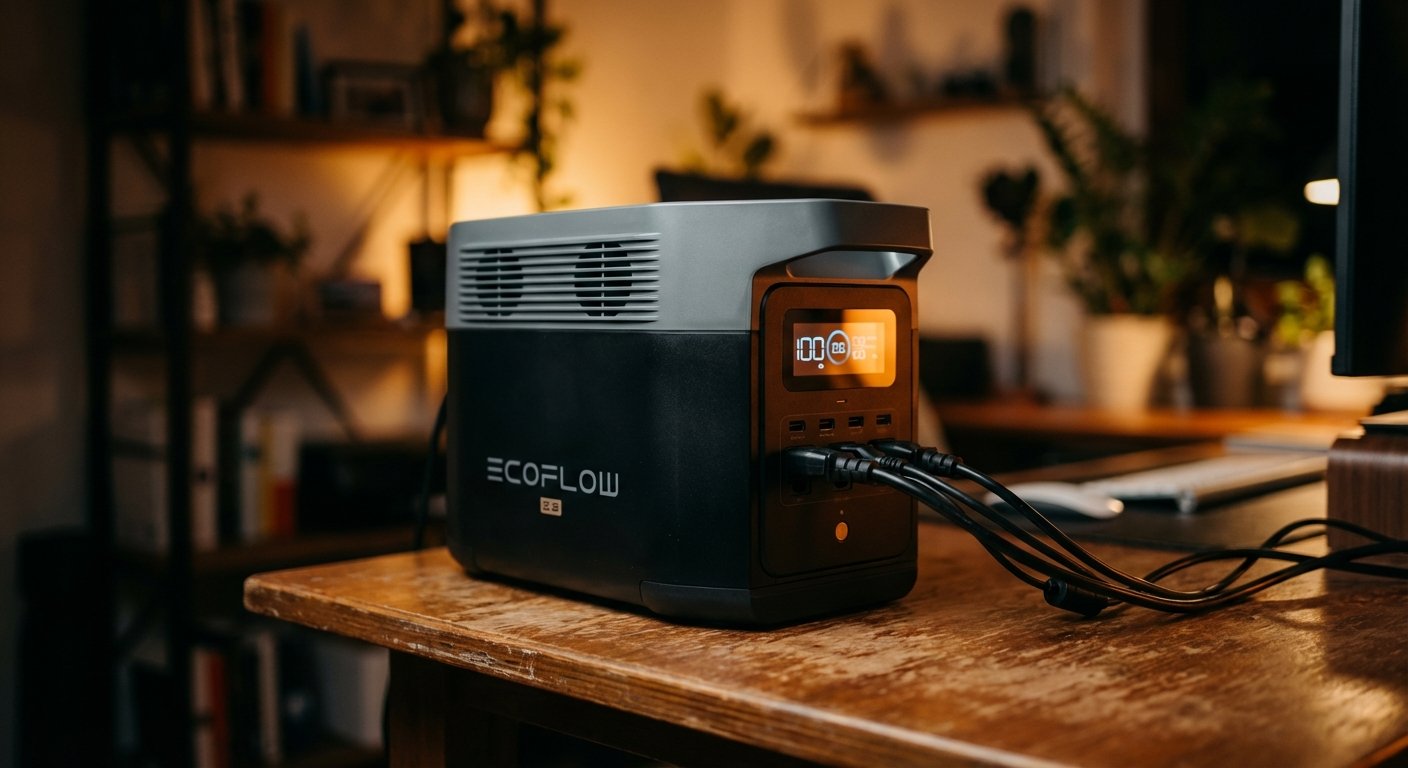
You need a portable power station. This isn’t optional. It is the cost of doing business.
I recommend the EcoFlow DELTA 2. It charges from 0-80% in 50 minutes. That matters when the power comes back on for only two hours before the next cut.
It has enough output to run your laptop, a monitor, and your Wi-Fi router for the entire blackout.
Price Range: $650 – $900
Hub 2: Kigali, Rwanda (The Friction-Free Zone)
If Cape Town is chaotic beauty, Kigali is sterile efficiency.
People call it the “Singapore of Africa.” They aren’t joking.
It is clean. It is safe. You can walk around with your phone out at midnight. Try doing that in London or San Francisco.
The ROI:
Rwanda is investing heavily in tech infrastructure. They want your tax dollars. They make it easy to give it to them.
- Internet: Fiber is everywhere. 4G is solid. Starlink is licensed and works perfectly here.
- Visa: Easy. They have decent long-term stay options.
- Cost: Lower than Cape Town. You can live like a king for $1,500/month.
The downside? It’s quiet. If you need a raging nightlife to feel alive, do not go here. If you need deep work and zero distractions, this is the best spot on the continent.
Hub 3: Nairobi, Kenya (The Network Effect)
They call it “Silicon Savannah.”
This is where the money is. If your business involves B2B sales, tech startups, or NGOs, you need to be in Nairobi.
The expat community here is massive. You walk into a cafe in Westlands, and you are surrounded by founders and investors.
The Logistics:
- Coworking: Ikigai and Nairobi Garage are world-class.
- English: It is the business language. Zero communication barrier.
- Traffic: It is terrible. Absolute nightmare.
The Strategy: Live close to where you work. Do not commute. The time cost of traffic destroys your hourly rate.
Rent an apartment in Westlands or Kilimani. It costs more, but you buy back 2 hours of your life every day.

Hub 4: Taghazout, Morocco (The Time-Zone Arbitrage)
This is for the Europeans.
Taghazout used to be a fishing village. Now it is a coworking hub with surf breaks.
Why it works:
- Proximity: It is a 3-hour flight from London or Paris.
- Time Zone: It is practically the same as the UK.
- Infrastructure: They installed fiber optics specifically for the coworking spaces (like SunDesk).
You work for 4 hours. You surf. You work for 4 more hours.
You pay Moroccan prices ($1,200/month all-in) but charge London rates. The spread is your profit.
The Essential Gear List
You are not a backpacker. You are a professional.
If your gear fails, your income stops. You need redundancy.
1. Redundant Internet
Hotel Wi-Fi is a lie. Airbnb Wi-Fi is a gamble.
You need your own pipe. Starlink is rolling out across Africa rapidly (check availability maps for 2026), but a 5G hotspot is the immediate fix.
The Netgear Nighthawk M6 Pro is the industry standard. It is unlocked. You land, you buy a local SIM card (Safaricom in Kenya, MTN in South Africa), you insert it, and you have secure, fast internet for 32 devices.
Price Range: $800 – $999
2. The Focus Asset
Africa is loud. Cities are vibrant.
Construction, traffic, loud music. These are productivity killers.
You need to control your auditory environment. If you can’t hear yourself think, you can’t write copy, code, or close deals.
The Sony WH-1000XM5 headphones offer the best noise cancellation on the market. Better than Bose. Better than Apple.
The microphone quality is also good enough for Zoom calls, which means you don’t need to carry a separate mic.
Price Range: $300 – $400
Hub 5: Port Louis, Mauritius (The Tax Haven)
This is the advanced play.
Mauritius isn’t just a tropical island. It is a financial fortress.
They have a Premium Visa for digital nomads. It is free to apply. It lasts one year and is renewable.
The Tax Hack:
If you structure it right (consult a tax professional, I am not one), you remit money to Mauritius and pay zero tax on income generated outside the country unless you become a tax resident.
Even if you become a tax resident, the rate is flat. Low.
Internet is fast (submarine cables land here). The lifestyle is slow.
If you are making $10,000/month and paying $3,000 in taxes at home, moving here is an instant $36,000/year raise.
Conclusion: Stop Waiting
The opportunity window is closing.
As these hubs get more popular, prices will rise. The arbitrage gap will shrink.
Right now, in 2026, you can live a 5-star lifestyle in Cape Town or Nairobi for the price of a studio apartment in Ohio.
The infrastructure is there. The talent is there.
The only thing missing is your decision.
Pack the battery. Buy the noise-canceling headphones. Book the flight.
Get to work.