
This post contains affiliate links. If you purchase through our links, we may earn a small commission at no extra cost to you.
The “Passive Income” Lie
Most people lie to you about travel photography.
They sell you a dream. They tell you to upload a picture of a sunset to a stock website, go to sleep, and wake up rich. They sell you the “lifestyle” so you buy their $997 course.
Here is the reality: That is garbage.
If you take a photo of a sunset, you are competing with 50 million other photos of sunsets. Supply is infinite. Demand is low. The price goes to zero.
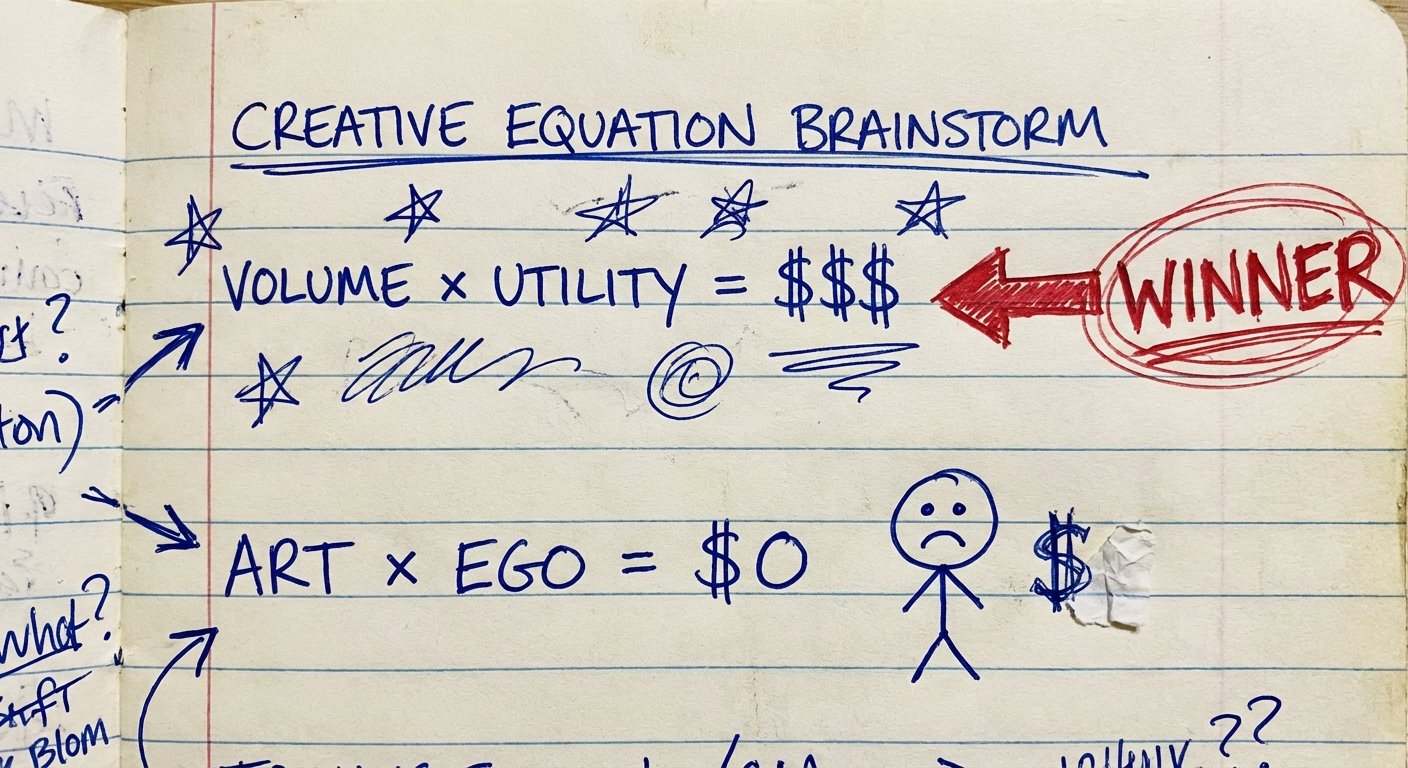
You don’t make money by being “creative.” You make money by understanding supply and demand. You are not an artist. You are an asset manager. Your photos are the assets.
I am going to show you how to actually make money. Not “coffee money.” Real money. But it requires work. If you are lazy, close this tab.
The Three Vehicles
You have three ways to monetize. Pick one. Or pick all three. But understand the math behind them.
- Micro-Stock (The Volume Game): You sell photos for $0.25 to $1.00 each. You need 10,000 photos online to make a living wage.
- Print on Demand (The Margin Game): You sell physical products. Higher margin ($5–$50 profit), but you have to drive the traffic.
- Direct Sales (The High Ticket Game): You sell usage rights to businesses. This is where the real money is. One deal can equal 5,000 stock downloads.
The Minimum Viable Gear (Stop Wasting Money)
Amateurs think gear makes the photographer. Professionals know gear is just a tool to increase ROI.
If you spend $10,000 on a camera but have zero clients, you are not a photographer. You are a consumer.
You need a camera that does two things: delivers high enough resolution for print, and survives the road. You do not need the most expensive camera. You need the one with the best price-to-performance ratio.
The Body: Sony Alpha 7 IV
This is the industry standard for hybrid shooters right now. It has a 33MP sensor. That is enough for billboards. It has incredible autofocus. It works in low light. It holds its value.
Price: $2,400 – $2,600 range.
The Lens: 24-70mm f/2.8
Do not buy five prime lenses. You have to carry them. That slows you down. Speed kills deals. Get one lens that does 90% of the work. The Sigma 24-70mm f/2.8 DG DN Art is sharper than the Sony version and costs half as much. That is pure ROI.
Price: $1,000 – $1,100 range.
The Storage: SanDisk Extreme Portable SSD
If you lose your photos, you lose your inventory. Hard drives fail. SSDs are tougher. Do not be cheap here. Buying a cheap drive is like storing your cash in a trash bag.
Price: $100 – $180 range (for 1TB-2TB).

Vehicle 1: The Stock Market (Volume)
Stock photography is a numbers game. Period.
The Strategy:
Stop shooting landmarks. Everyone has a photo of the Taj Mahal. Nobody buys it because there is too much supply.
Shoot concepts. Shoot utility.
Businesses need photos of:
- “Digital nomad working on a laptop in a beach cafe”
- “Diverse group of friends hiking”
- “Hands holding a passport with a boarding pass”
These photos sell because websites and blogs need them to break up text. They are boring to shoot. But they pay.
The Platforms:
Upload to Shutterstock and Adobe Stock. They have the traffic.
The Secret Weapon: Metadata.
You can take the best photo in the world. If you don’t tag it correctly, it doesn’t exist. Spend 50% of your time shooting and 50% of your time keywording. If they can’t search it, they can’t buy it.
Vehicle 2: Direct Sales (The Whale Hunt)
This is how you make $1,000 in a day instead of a year.
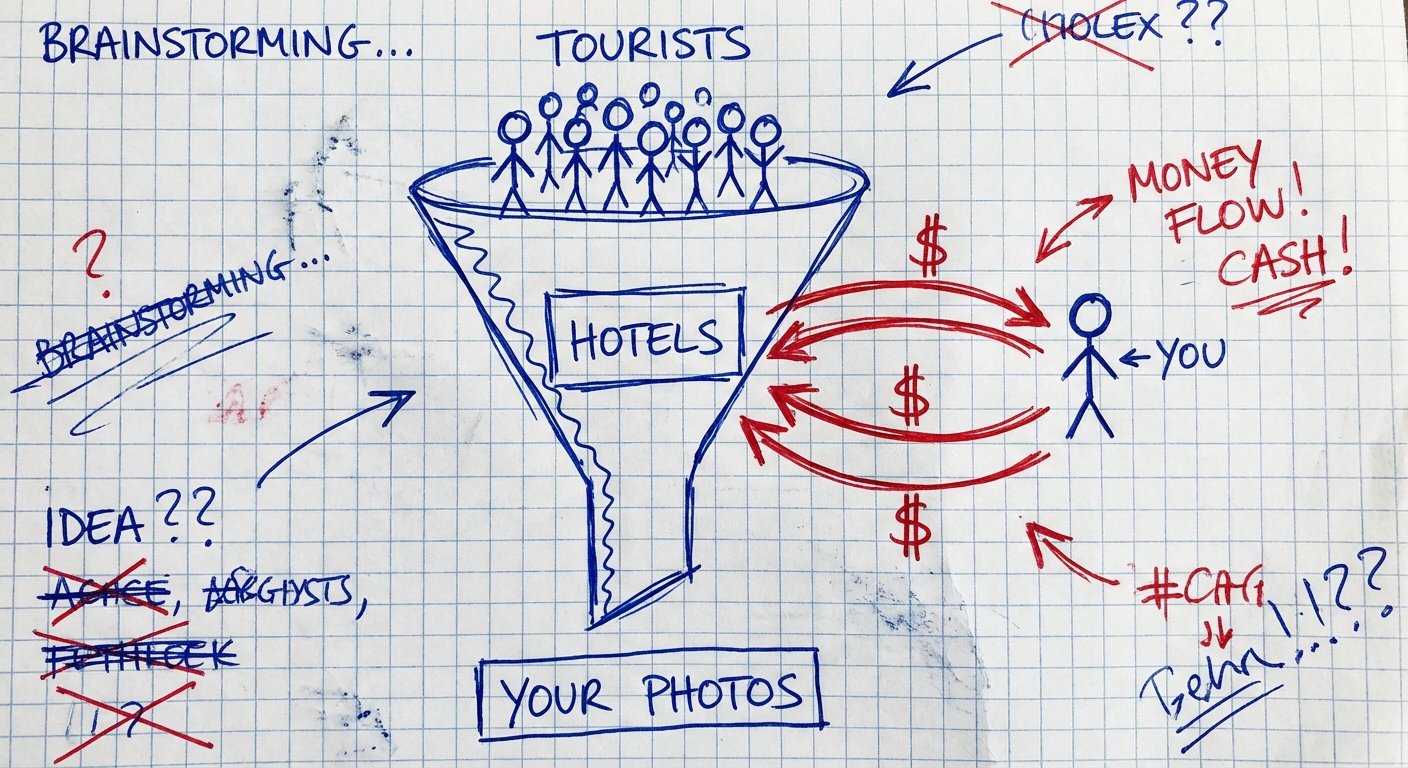
Hotels, tour operators, and Airbnb hosts are desperate for content. Their current photos usually suck. They are losing bookings because their photos look dark and dirty.
The Pitch:
Don’t sell “photos.” Sell “bookings.”
Walk into a boutique hotel. Ask for the manager. Say this:
“I noticed your photos on Booking.com are dark. I am a professional photographer. I will shoot 20 high-end photos of your property. You only pay me if you like them. If you use them, the price is $500. One extra booking pays for my entire fee. You lose nothing.”
This is a no-brainer offer. You take the risk. You deliver the value. You get paid.
The Workflow: Speed is Money
You cannot spend 4 hours editing one photo. If you sell a photo for $50 and it took you 5 hours, you are making $10 an hour. You could make more working at McDonald’s.
Batch Edit.
Use Lightroom. Create a preset. Apply it to 100 photos at once. Tweak the exposure. Export. Done.
Secure Your Asset Pipeline.
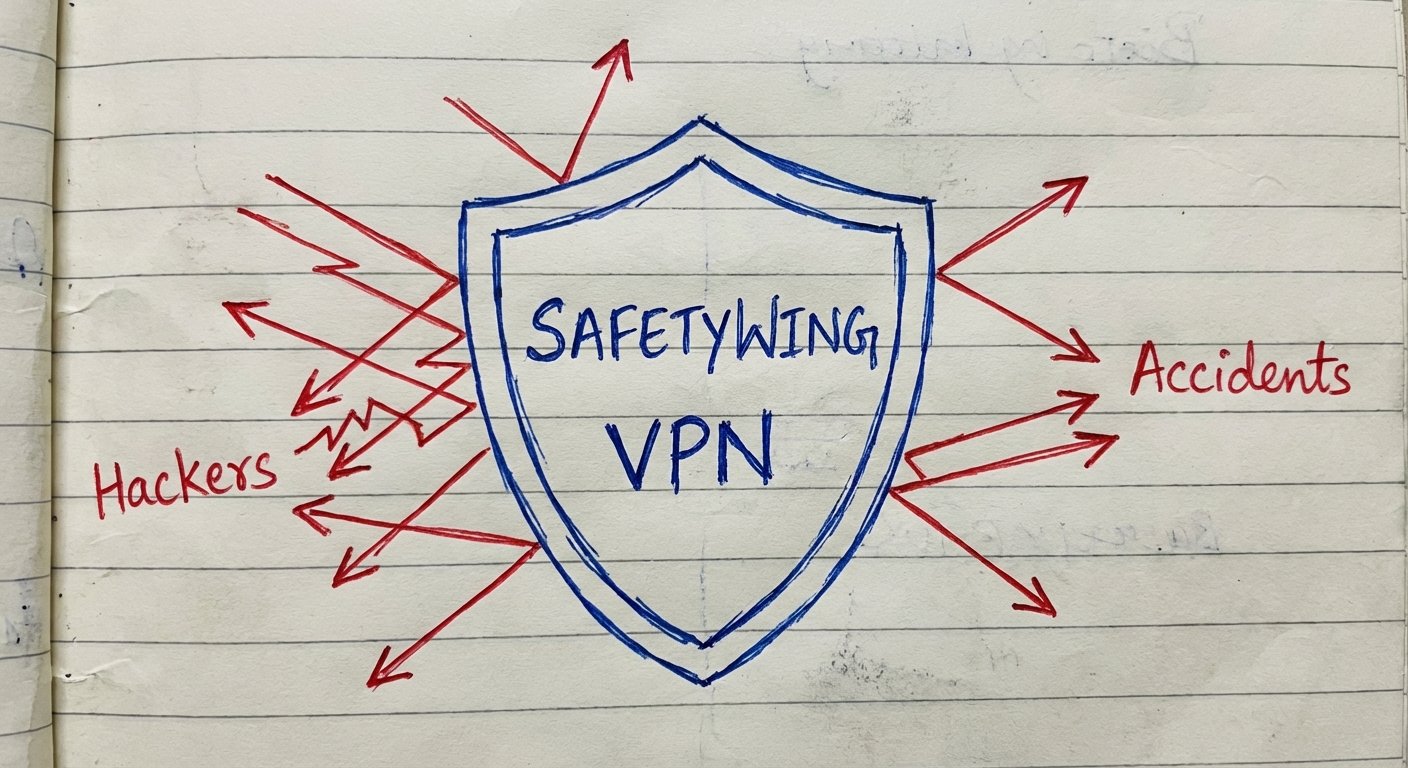
You will be uploading massive files from coffee shops with sketchy Wi-Fi. Do not get hacked. If someone steals your credit card info or your identity while you are abroad, your business stops.
I use a VPN on every public network. It’s cheap insurance for your data.
Protecting the Downside
Things will go wrong. They always do.
Equipment Failure & Health
You are in Vietnam. You drop your $2,500 Sony camera in a puddle. Or you crash a scooter and break your arm.
If you don’t have insurance, you are out of business. Most domestic health insurance does not cover you abroad. And most travel insurance doesn’t cover “business equipment” unless you read the fine print.
I use SafetyWing because it is built for nomads. It covers medical and travel delays. It’s a subscription. You turn it on when you leave, turn it off when you get back.
Getting Paid
When you sell photos to a client in Germany and you are from the US, do not use a standard bank wire. The fees will eat 5% of your profit. The exchange rate will be terrible.
You need a multi-currency account. You need to receive Euros, hold them, or convert them at the mid-market rate. Stop giving banks your margin.
The Conclusion
Selling travel photos is not about luck.
It is about:
- Buying the right gear (ROI).
- Creating assets that the market actually needs (Utility).
- Selling directly to businesses who have money (B2B).
- Protecting your downside (Insurance).
Stop dreaming. Start shooting. Send the invoice.