The Instagram Dream is a Lie to Sell You Courses
You have seen the ads. A guy sitting on a beach in Bali. He has a coconut in one hand and a MacBook in the other. He tells you that you can work four hours a week, travel the world, and make six figures.
Here is the truth: that guy is not making money from his laptop on the beach. He is making money by selling you a course on how to use a laptop on the beach.
Working on a beach is stupid.
The sun causes screen glare. You cannot see your spreadsheets. The sand gets into your keyboard and destroys the butterfly switches. The tropical heat causes your laptop battery to thermal-throttle. It slows down your processor to prevent melting. Your $2,000 machine becomes a laggy brick.
I am not against traveling. I am against lying to yourself about what it takes to run a profitable business while traveling.
If you want to treat your business like a hobby, go ahead. But if you want to scale, make real money, and build a competitive advantage, you need to understand the ROI of the digital nomad lifestyle.
There are hidden taxes on your time, your health, and your output. Nobody tells you about them because it ruins the fantasy. I am going to tell you the math behind the reality.
Wi-Fi Roulette Will Cost You High-Ticket Clients
Let’s talk about infrastructure. When you work from home, you pay for a fiber-optic connection. It works every day. It is a fixed cost. It is a solved problem.
When you are a nomad, you play Wi-Fi roulette every single week.
Airbnb hosts lie. They will put “Fast Wi-Fi” in the listing title. You show up, run a speed test, and it is 3 Mbps. It drops every ten minutes. You cannot upload files. You cannot run software updates.
Worse, you cannot take sales calls.
Let’s do the math. Imagine you sell a $5,000 service. You have three qualified sales calls booked this week. You spent $500 in ad spend to get those calls.
You log into Zoom from a cheap Airbnb in Costa Rica. The connection drops. The video freezes. Your audio sounds like a robot. What does the prospect think?
They think: “This guy is unorganized. If he cannot even maintain an internet connection, how is he going to deliver the work?”
They hang up. You lost the deal. That bad Wi-Fi connection did not cost you the $50 you saved on rent. It cost you $5,000 in lost revenue. If that happens twice a month, it costs you $120,000 a year.
Do not trust foreign infrastructure. Bring your own.
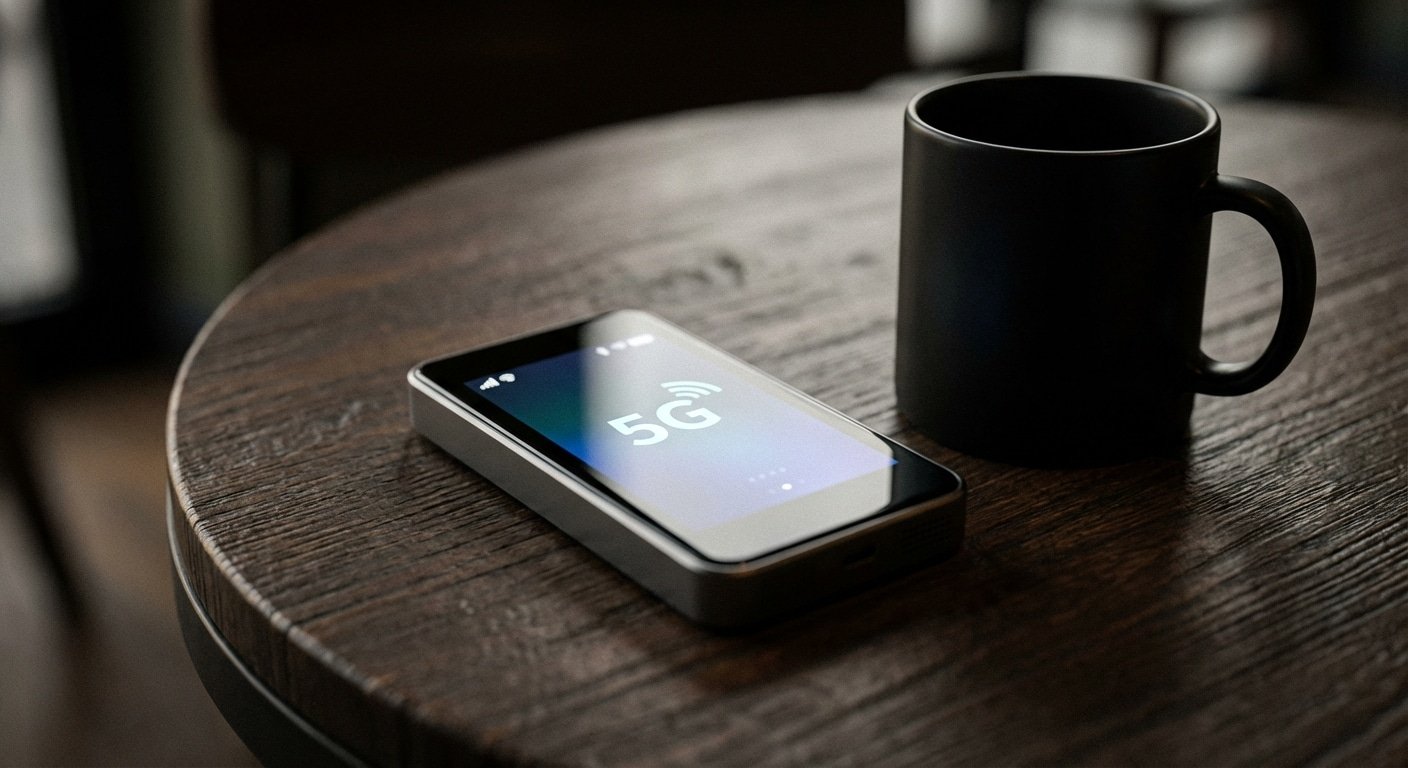
You need a dedicated mobile hotspot that operates on global cellular bands, not a cheap local SIM card that only works in one province.
The GlocalMe Numen Air 5G Portable Mobile Hotspot is the standard. It supports 5G frequencies in over 100 countries without needing a physical SIM card. It creates a secure, private network so you are not typing passwords on public cafe networks. It usually retails for $250 – $300. It pays for itself the first time it saves a Zoom call.
The Hidden Cost of Moving (The Transition Tax)
People look at places like Medellin, Chiang Mai, or Lisbon and say, “The rent is so cheap! I can live like a king for $1,500 a month.”
Yes, the fixed living costs are cheap. But the cost of moving is astronomically expensive.
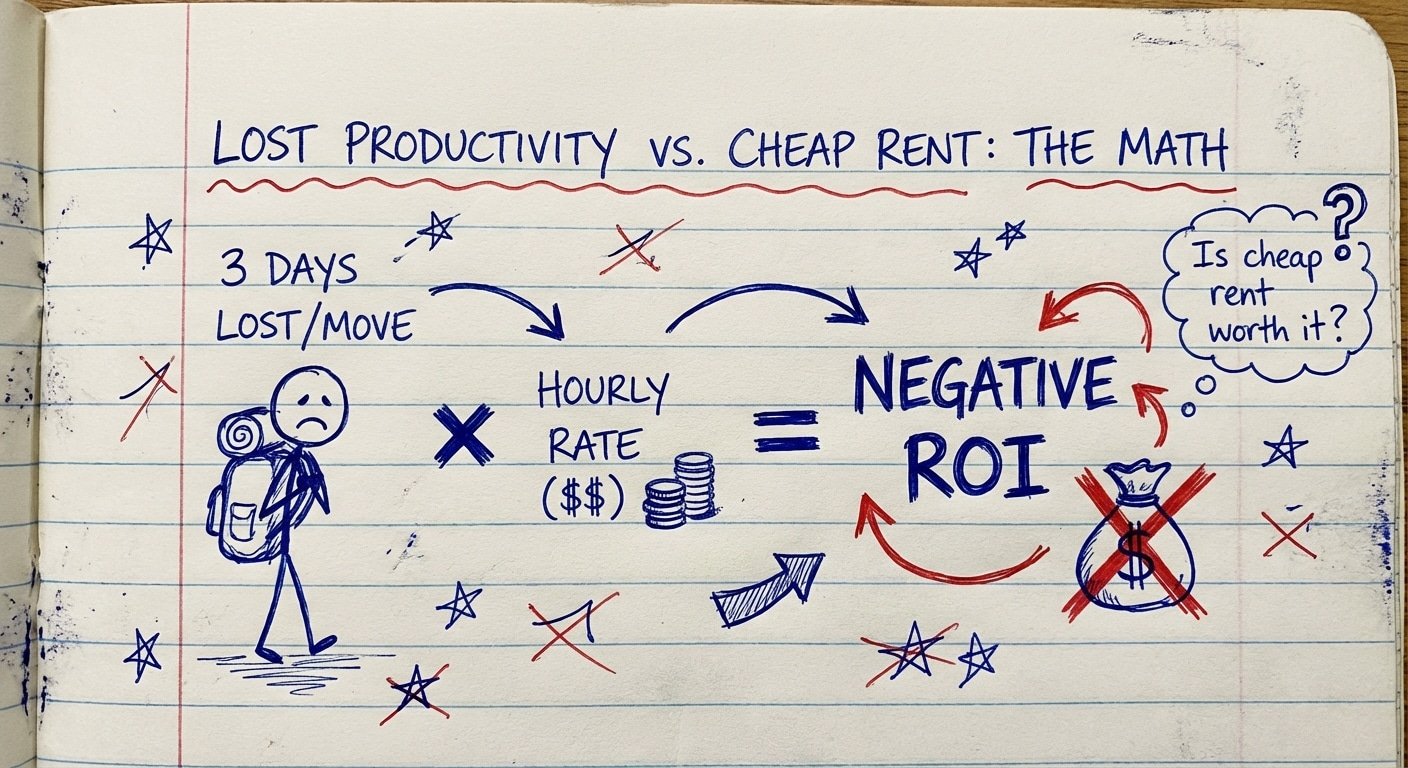
Every time you change cities, you lose time. Time is the only input you have to build wealth. Let’s look at the timeline of moving locations:
- Day 1: You spend half a day researching flights, reading Airbnb reviews, and figuring out visa requirements. Your output is zero.
- Day 2: You pack your bags, travel to the airport, sit through layovers, land, go through customs, take an overpriced taxi, and check into a new apartment. You are exhausted. Your output is zero.
- Day 3: You unpack. You have to find a new grocery store. You have to figure out where the gym is. You have to find a coffee shop with good internet as a backup. Your output is 20%.
Every time you move, you lose roughly three full days of productive work.
If your time is worth $100 an hour, and you work 8 hours a day, that is $800 a day in lost potential. Three days is $2,400. If you move every month, you are paying a $2,400 “Transition Tax” just to maintain the nomadic lifestyle. That “cheap” $1,500 apartment in Bali just effectively cost you $3,900.
How to fix this? Stop moving so much. Stay in one place for three to six months. Build a routine. Routine is the mother of output.
Posture Costs More Than First Class Tickets
Ergonomics is not a buzzword for corporate HR departments. It is a biological necessity for high performance.
When you travel, you end up working in terrible physical environments. You sit on a backless stool in a coffee shop. You hunch over a tiny cafe table. You lay on your stomach on an Airbnb bed.
When you hunch over a laptop screen, you compress your diaphragm. You take shallow breaths. Less oxygen gets to your brain. You get brain fog faster. You lose focus. You get tired by 2:00 PM.
Furthermore, you destroy your neck and lower back. Do you know what costs more than a good desk chair? Three months of physical therapy, chiropractor visits, and lost working hours because you have a pinched nerve in your cervical spine.
You cannot carry a Herman Miller chair in your backpack, but you must elevate your screen to eye level and keep your wrists flat.
Do not buy the cheap $15 plastic laptop stands. They wobble. One table bump and your $2,000 MacBook crashes to the tile floor.
Get the Roost V3 Laptop Stand. It is the lightest, most durable stand on the market. It folds down to the size of a ruler and locks your laptop in with rubber grips. It costs around $80 – $90. It has an infinite ROI because it stops you from getting a humpback.
Because the Roost puts your screen in the air, you cannot type on your laptop keyboard. You need a separate keyboard. You need something thin enough for a backpack but tactile enough to type fast.
The Keychron K3 Pro Ultra-Slim Wireless Mechanical Keyboard is what you want. Low profile, mechanical switches, Bluetooth 5.1, and it weighs barely over a pound. It costs roughly $90 – $110.

The Coffee Shop Trap (And The Distraction Tax)
Digital nomads love coffee shops. It feels productive. You see other people with laptops. The espresso machine is hissing. There is indie music playing.
It is a terrible place to get deep work done.
Deep work requires unbroken focus. It takes 23 minutes to regain your focus after a distraction. In a coffee shop, the barista yells an order. Someone scrapes a metal chair across the floor. The guy next to you starts coughing. You lose your train of thought. Over an eight-hour day, you get maybe three hours of actual output.
You are trading productivity for an aesthetic.
Also, let’s look at the financial math. To sit there all day, you buy a $5 latte, an $8 sandwich, and another $4 tea. That is $17 a day. Over 20 working days, you spend $340 a month to rent a noisy, uncomfortable seat.
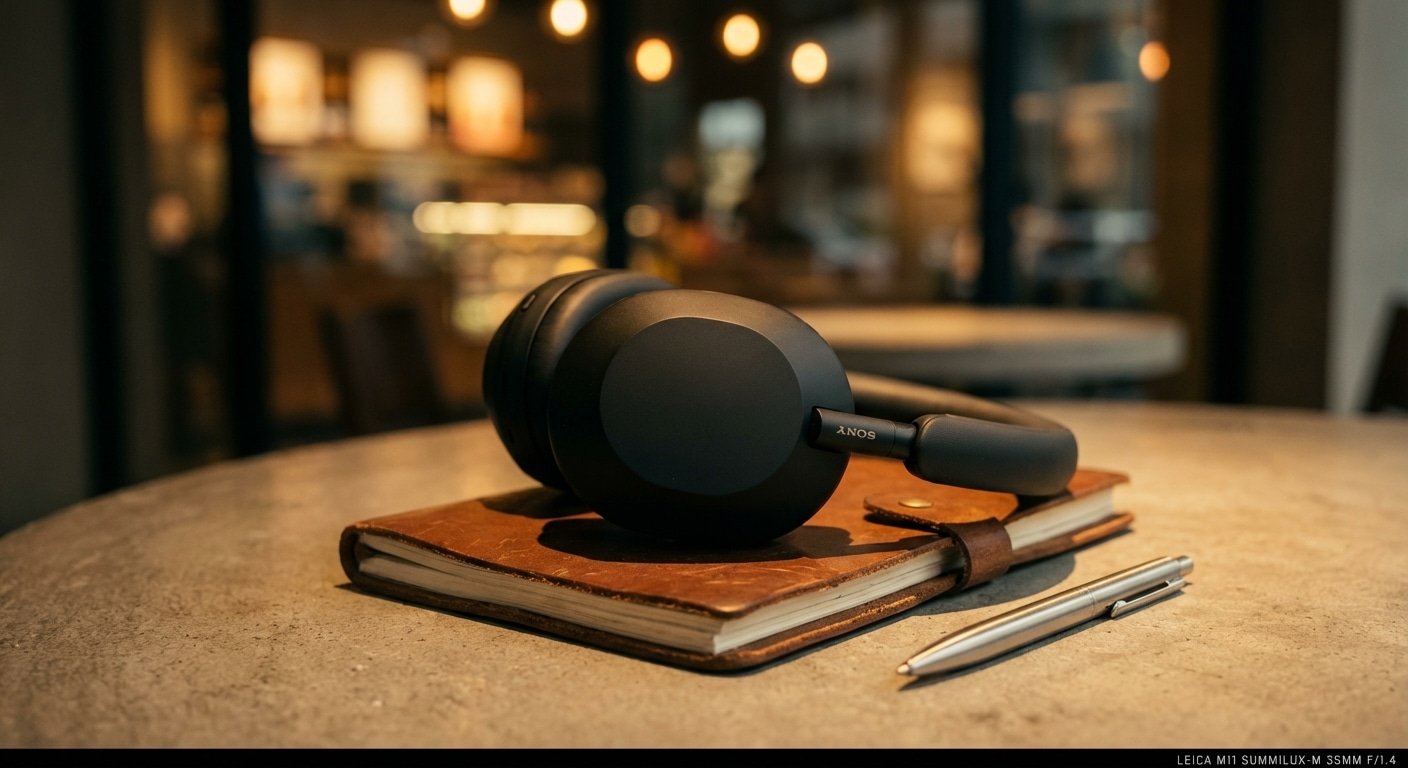
If you have to work in public, or on airplanes, or in shared workspaces, you must control your audio environment. Active noise cancellation is not a luxury. It is a boundary between your business and the rest of the world.
The Sony WH-1000XM5 Noise Canceling Headphones are the undisputed kings of this. They have the best active noise canceling chip on the market. They block airplane engines, screaming children, and awful cafe music. They have 30 hours of battery life. They are an absolute business expense. Expect to pay between $348 – $398.
The Single Point of Failure: Hardware Loss
When you work in an office, your IT department backs up your computer to the cloud and a local server. If a pipe bursts and floods your computer, they hand you a new one. You lose zero data.
When you travel, your entire business lives inside a three-pound piece of metal in your backpack.
Things happen. Someone spills a drink on your bag. A scooter thief grabs your laptop at a crosswalk. You drop it walking up the stairs to your Airbnb.
If your laptop dies and your data is not backed up locally, what happens?
Cloud backups are great, but restoring 1TB of video files, client projects, and assets over a patchy 10 Mbps hotel connection will take you four weeks. You cannot afford to wait four weeks. Your clients will fire you.
You need a rugged, fast physical backup that stays in a separate bag from your laptop.
The SanDisk 2TB Extreme Portable SSD is the only drive I trust for this. It is water and dust resistant (IP65). It survives a three-meter drop. It reads and writes at 1050MB/s, so your daily backup takes minutes, not hours. It runs about $120 – $150.
The Time Zone Tax Will Destroy Your Sleep
People love the idea of moving to Thailand to cut their living expenses by 70%. The problem is that 90% of the world’s high-paying clients are in the United States and Europe.
Bangkok is 12 to 15 hours ahead of the US. If you want to take a client call at 2:00 PM Eastern Time, it is 1:00 AM or 2:00 AM your time.
You can do this for a week. You cannot do it for a year.
Sleep deprivation destroys your cognitive function. It spikes your cortisol. You gain fat. You lose emotional regulation. When a client sends a frustrating email, instead of handling it like a professional, you snap at them. You ruin relationships because you are chronically tired.
If you want to live in Asia and serve US clients, you either have to shift to completely asynchronous work (which limits the types of high-ticket services you can offer), or you accept that your health will decline. Health decline leads to wealth decline.
Look at the timezone map before you book a flight. If you serve US clients, Central and South America offer the same low cost of living with the exact same time zones as the US. Your sleep schedule stays intact. Your energy stays high. You keep the money.
The Loneliness Tax and Network Decay
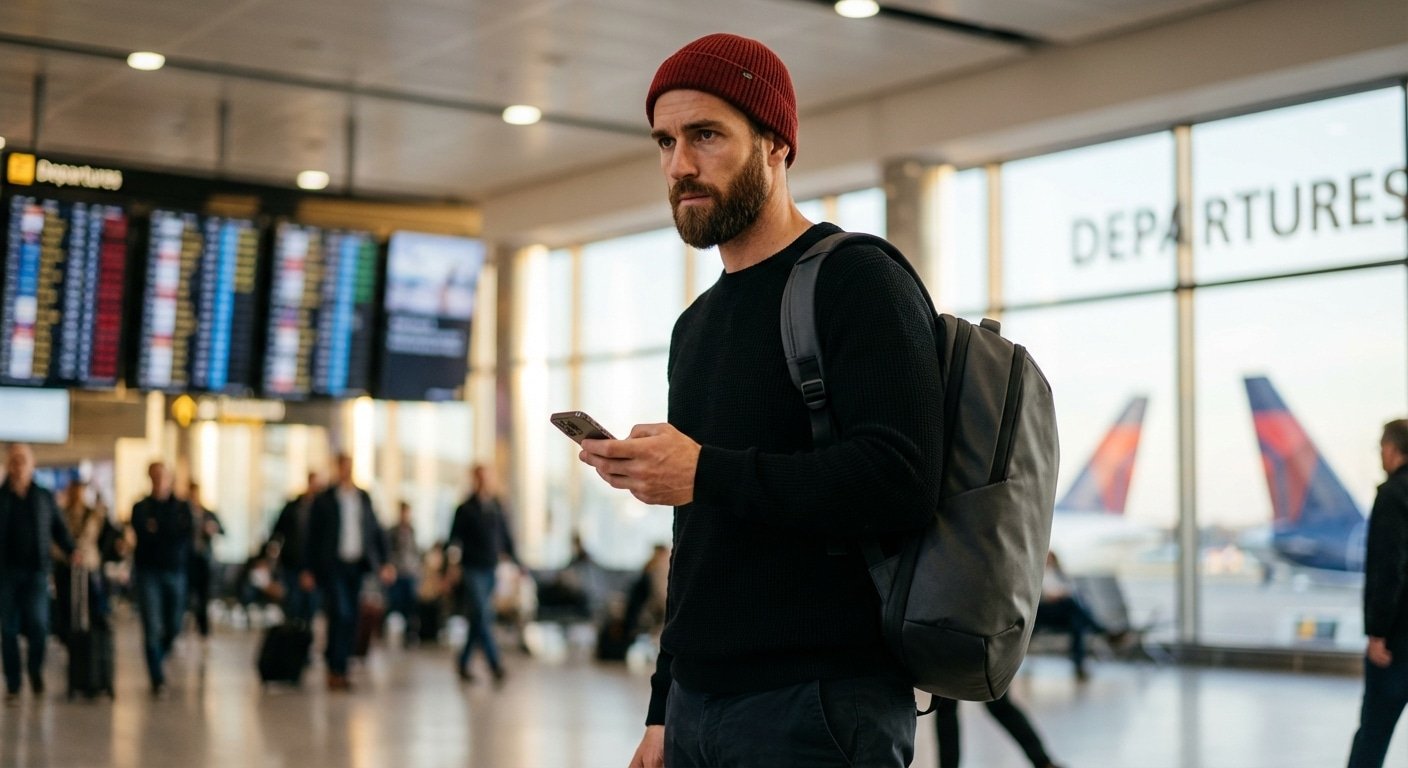
The final cost is the most painful one, and it is the one you will never see on a travel vlog.
Wealth is not built in isolation. It is built through leverage. Leverage comes from capital, code, media, and people. A powerful network brings you warm leads, joint venture opportunities, and inside knowledge.
When you are a digital nomad moving every month, your network decays.
You meet other travelers. You have the exact same conversation: “Where are you from? How long are you here? What do you do?” You grab a beer, hang out for three days, and then one of you flies to a new country. You never speak again.
Surface-level relationships do not build businesses.
If you stay in one major hub—whether that is Austin, London, or Dubai—you build deep roots. You go to the same masterminds. You get invited to private dinners. You build trust over years, not days.
The cost of missing those high-level networking opportunities is unquantifiable. One right introduction can double your revenue. You will not get that introduction sitting alone in a hostel common room.
If you want to be a nomad, do it intentionally. Dedicate a budget to fly back to major industry events. Pay for high-level coaching groups just to access the community. You have to manufacture the network that traditional location-based entrepreneurs get for free.
Conclusion: Treat It Like a Business, Not a Vacation
The digital nomad lifestyle is incredible, but only if you strip away the romantic delusions.
If you treat it like an endless vacation where you occasionally check emails, you will go broke. You will burn through your savings, damage your professional reputation, and end up back home looking for a corporate job.
If you treat it like a mobile business operation, you can win. But winning requires investment.
You must invest in portable infrastructure. You must invest in ergonomics. You must invest in data redundancy. You must say no to cheap environments that ruin your focus.
Stop trying to work from a hammock. Sit at a real desk, put on noise-canceling headphones, connect to your own secure internet, and do the work that actually moves the needle.