
The “Creator Economy” is a Lie
Most people writing newsletters are broke.
They treat Substack like a diary. They think if they write “authentically,” the money will appear. They are wrong. They are playing a lottery where the odds are zero.
If you want to build a paid newsletter in 2026, stop thinking like a writer. Start thinking like a business owner.
A business has a product. It has a cost of acquisition. It has a lifetime value (LTV). It has churn.
If you don’t know those numbers, you have a hobby. Hobbies cost money. Businesses make money.
The landscape has changed. In 2023, you could grow by accident. In 2026, the noise is deafening. AI generates infinite content for free. Information is now a commodity. It is worth $0.
So, what are people paying for?
They pay for synthesis. They pay for perspective. They pay to save time.
This article is not about how to write pretty sentences. It is about the operational mechanics of extracting cash from an audience by solving their problems at scale.
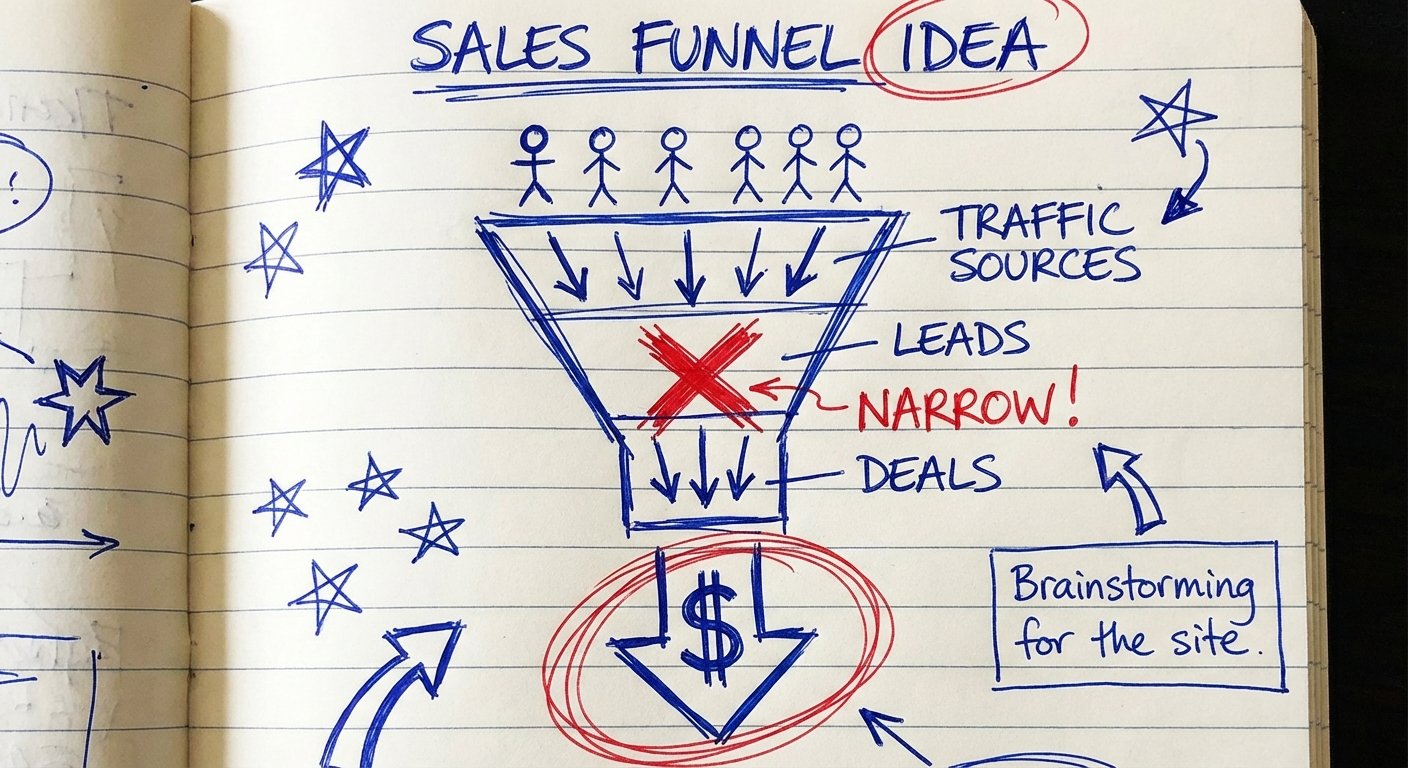
The 2026 Value Equation: Why They Buy
Value is simple math.
Value = (Dream Outcome x Perceived Likelihood of Achievement) / (Time Delay x Effort & Sacrifice)
Most newsletters fail the bottom half of the equation. They make the reader work too hard to get the point. They take too long to deliver the insight.
In 2026, your paid newsletter must do one of three things:
- Make them money: Investment tips, career growth, business logic.
- Save them time: Curating 50 hours of news into a 5-minute read.
- Raise their status: Giving them “insider” knowledge they can repeat at dinner parties.
If you aren’t doing one of these, do not launch a paid tier. You have no leverage.
The “Diary Model” is dead. Nobody cares about your morning routine unless your morning routine made you a billionaire. Stop writing about yourself. Write about the result.
The Tech Stack: Quality is the New Gatekeeper
Text is cheap. Trust is expensive.
In 2026, Substack isn’t just email. It is a multimedia platform. The highest-converting newsletters embed video and high-quality audio directly into the post.
Why? Because AI can fake text. It still struggles to fake a high-fidelity human connection.
If you look low-budget, people assume your information is low-value. You need to signal authority through production quality. You are competing with Netflix, not other bloggers.
Here is the hardware you need to signal competence.
1. Audio Authority
Bad audio destroys retention. If they listen to your voiceover or podcast integration and it sounds tinny, they click off in 3 seconds. That is a churn event.
The standard has not changed. It is the Shure SM7B.
It is the mic I use. It is the mic Rogan uses. It signals “I am a professional” before you even speak a word. It rejects background noise, which means you don’t need a sound-treated studio. You just need the hardware.
Current Price: $350 – $400
2. Visual Leverage
You need video clips for social media to drive traffic to the newsletter. The webcam on your laptop is garbage. It makes you look weak.
You need a full-frame sensor. Depth of field creates a cinematic look that arrests attention in the feed. The Sony Alpha a7 IV is the workhorse. It does 4k 60fps. It has the best autofocus in the game. You turn it on, it finds your eye, and it stays locked.
Stop fighting with your gear. Buy the tool that works so you can focus on the message.
Current Price: $2,400 – $2,500

The Acquisition Strategy: Math Over Magic
Most people rely on “organic growth.”
Organic growth is slow. It is unpredictable. I hate unpredictable things.
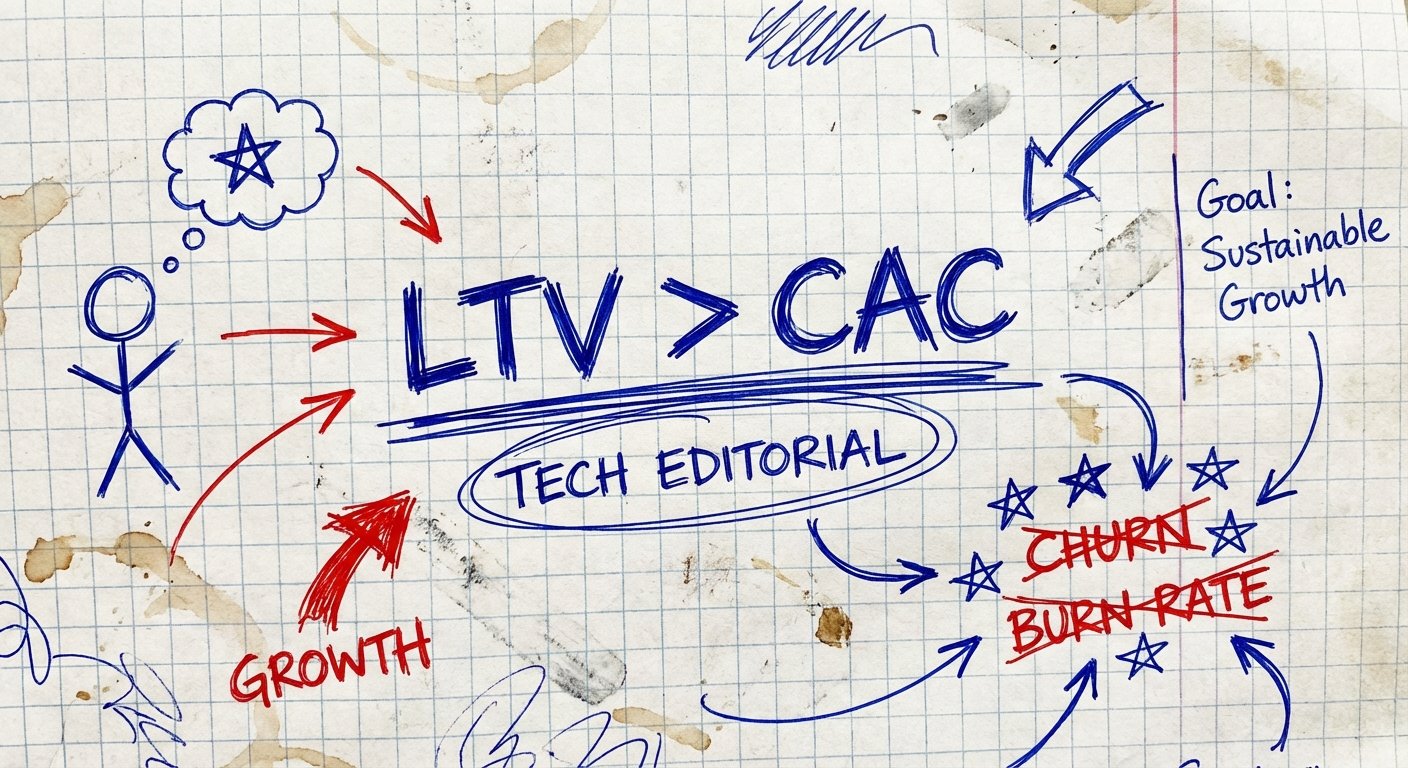
If you know your LTV (Lifetime Value), you can afford to pay for subscribers. This is the secret nobody talks about.
Let’s do the math:
- You charge $10/month.
- The average subscriber stays for 12 months.
- LTV = $120.
If you know a subscriber is worth $120 to you, you can spend $30 to acquire them and still 4x your money.
This allows you to run ads. It allows you to use paid recommendations on Substack. It allows you to scale at will, rather than waiting for an algorithm to bless you.
The Strategy:
- Build a Lead Magnet: A free course, a template, a checklist. Something valuable.
- Drive Traffic: Use short-form video (TikTok, Reels, Shorts) to push the lead magnet.
- Capture Email: They get the free thing in exchange for the email.
- Nurture: Send them your best free content for 2 weeks. Establish authority.
- Upsell: Offer the paid newsletter as the “implementation” layer.

Writing for Retention: The “Fifth Grade” Rule
Smart people try to sound smart. Rich people try to be understood.
If you use big words, you lose money. Complexity kills conversion.
Your writing needs to be punchy. Visual. Rhythm-based. It should look like a text message from a friend, not a textbook from a professor.
The Format:
- One idea per sentence.
- Short paragraphs (1-3 lines max).
- Bold key takeaways so skimmers get value.
To produce this volume of writing, you need a tactile workflow. You cannot type 5,000 words a week on a flat butterfly keyboard. It hurts your hands. It slows you down.
I use mechanical keyboards. The feedback loop makes you write faster. The Keychron Q1 Pro is built like a tank. Aluminum body. Wireless. Hot-swappable.
It sounds like a machine gun when you type. It puts you in the zone. Speed is a competitive advantage.
Current Price: $190 – $210

The Pricing Psychology: Annual vs. Monthly
Most creators push the monthly subscription. “It’s the price of a coffee!”
Stop begging.
Monthly subscribers churn. Their credit card fails. They look at their statement and cut costs. They are flaky.
Annual subscribers are investors.
You want to push the Annual Plan aggressively. Offer a massive discount. Offer bonuses that are only for annual members.
Why? Cash flow.
If 100 people sign up at $10/month, you have $1,000. You cannot hire help. You cannot buy ads.
If 100 people sign up at $100/year, you have $10,000 cash today.
You can take that $10,000 and pump it back into ads to get another 300 subscribers. This is how you compound. You pull liquidity forward.
The “Moat” Against AI
In 2026, ChatGPT (or whatever model is current) can write a “good enough” article on any topic.
If your newsletter is just information, you are dead.
You need a Moat. A defense against the commodity.
Your Moat is “Proprietary Data” and “Story.”
Proprietary Data: Run experiments. Survey your audience. Share numbers that only you have. AI cannot hallucinate real-world case studies that you personally executed.
Story: AI has no childhood. It has no failures. It has no scars. When you wrap your lesson in a personal story of failure or triumph, you create a connection that software cannot replicate.
People buy from people.
Conclusion: Do The Boring Work
Building a paid newsletter is not about being a genius.
It is about volume. It is about consistency. It is about making an offer so good they feel stupid saying no.
Most of you reading this will get excited, buy a domain name, write three posts, and quit when you don’t have 1,000 subs in a month.
That is why you lose.
The winners are the ones who post every week for three years, regardless of the view count. They track the data. They improve the offer. They buy the customers.
Do the math. Do the work.