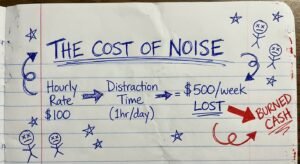
The Cost of Being an Idiot Abroad
Most digital nomads are bad at math.
They will spend $2,000 on a MacBook to “optimize workflow.” They will spend $500 a month on artisanal coffee to “boost creativity.” But they will not spend three hours or $50 to prepare for a medical emergency.
They call this “living in the moment.”
I call it negative expected value.
Here is the reality of the market: The world does not care about your freedom. Bacteria does not care about your passive income. Gravity does not care about your Instagram following.
If you break your femur in rural Laos without a plan, you do not have a lifestyle problem. You have a bankruptcy problem.
I view my body as my primary asset. It prints money. If the machine breaks, production stops. If production stops, revenue hits zero. If I don’t have a repair contract (insurance) or a maintenance log (hospital list), the asset depreciates to zero.
This article is not about being scared. It is about protecting your downside so you can stay in the game.
Here is how you actually prepare. No fluff. Just ROI.
The “Wing It” Tax
There is a tax on laziness.
When you enter a new country without a medical plan, you are gambling. You are betting your entire net worth against the probability of an accident.
Let’s look at the numbers.
Scenario A (The Lazy Nomad):
- Cost of prep: $0.
- Time invested: 0 minutes.
- Event: Motorcycle crash in Bali.
- Result: Panic. You go to the nearest clinic. It’s dirty. They misdiagnose you. Infection sets in. You need a medevac to Singapore.
- Total Cost: $45,000 out of pocket + Permanent limp.
Scenario B (The Pro):
- Cost of prep: $400 (Insurance + Gear).
- Time invested: 2 hours.
- Event: Motorcycle crash in Bali.
- Result: You check your pre-saved list. You go to the internationally accredited hospital. You hand them your insurance card. You get surgery.
- Total Cost: $250 deductible. Back to work in 3 weeks.
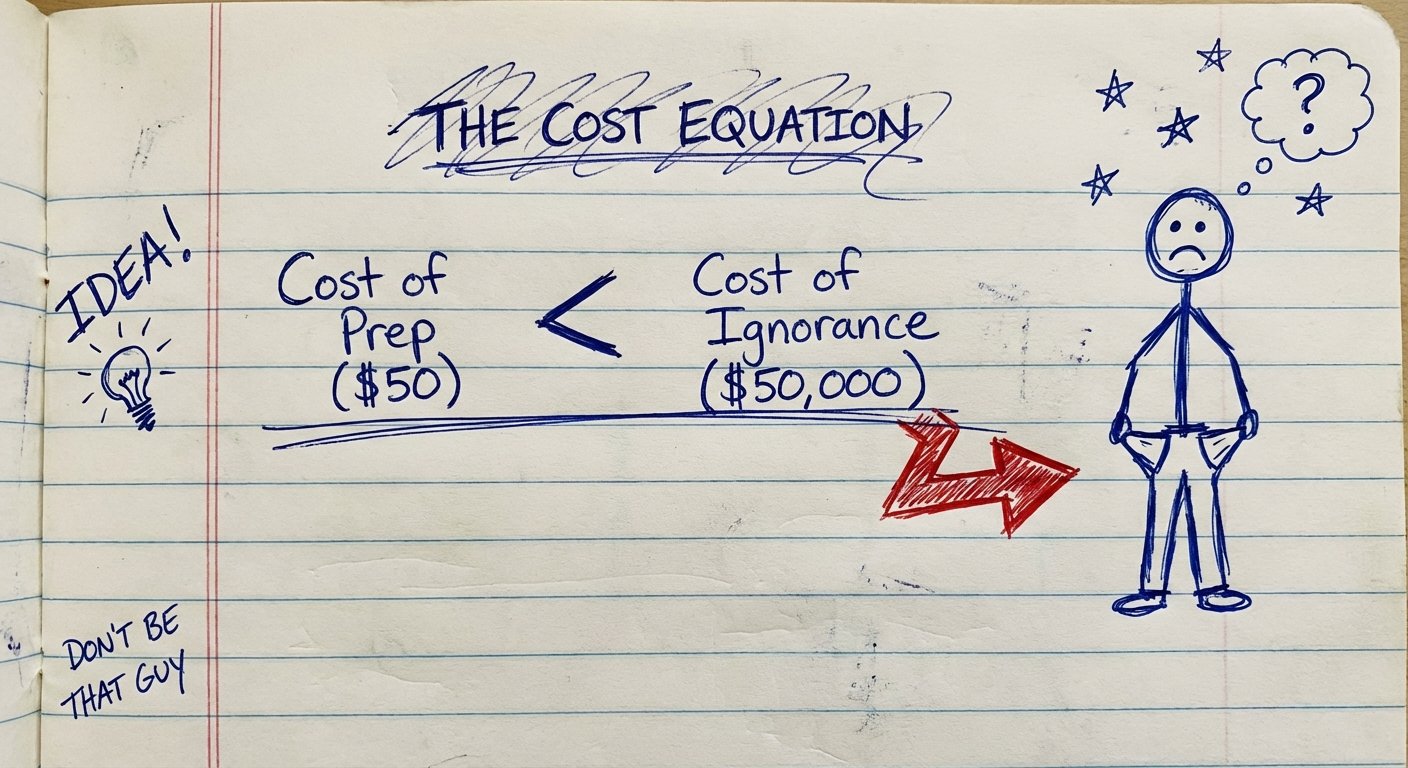
The difference is $44,750. That is the tax you pay for being lazy. If you think you are saving money by skipping this, you are wrong. You are just delaying the bill.
Strategy 1: The Pre-Emptive Hospital List
Do not wait until you are bleeding to look for a doctor.
When you are hurt, your IQ drops 20 points. When you are panicked, it drops another 20 points. You cannot make good decisions with a concussion.
You need to make the decision while you are sitting in a coffee shop, drinking an americano, fully rational.
Before I land in a new city, I create a “Medical Tier List.” I save this on my phone (offline mode) and write it on a physical card in my wallet.

The 3-Tier List
1. The “I Might Die” Hospital (Trauma)
This is the only place you go for major accidents. You are looking for JCI Accreditation (Joint Commission International). This is the gold standard. It means they wash their hands and use real equipment.
- Google Search: “JCI accredited hospital [City Name]”
- Cross-reference with the US Embassy list for that country.
- Write down: Name, Address, Phone Number.
2. The “I Feel Like Trash” Clinic (General Practice)
This is for food poisoning, flu, or infections. You want an expat-friendly clinic where they speak English. Do not go to the local public hospital for this. You will wait 8 hours to save $10. Your time is worth more than that.
3. The 24-Hour Pharmacy
Pain doesn’t sleep. You need to know where to get drugs at 3 AM.
Do this research once. It takes 30 minutes. It yields massive returns when things go wrong.
Strategy 2: The Hardware (High ROI Gear)
Software (insurance) is useless if you cannot communicate. If you are a nomad who goes off-grid, hikes, or drives in remote areas, your iPhone is a brick.
Cell towers fail. Satellites do not.
You need independent leverage over your communication.
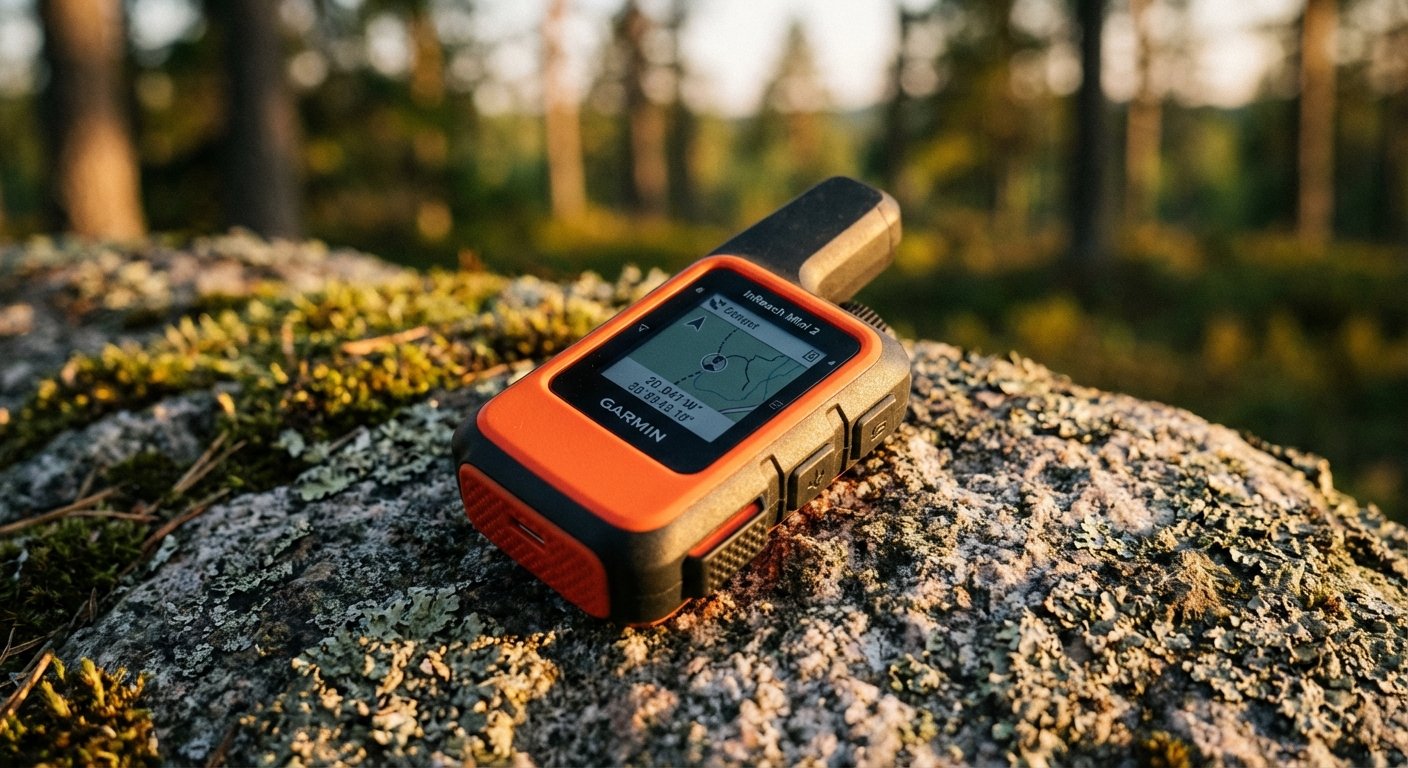
The Communicator: Garmin inReach Mini 2
This is not a toy. It is a life insurance policy that fits in your pocket. I do not leave the city limits without this.
The Specs:
- Global Satellite Coverage: Works where cell phones die. Uses the Iridium network.
- SOS Button: One press triggers a global rescue coordination center (IERCC). They find you.
- Battery Life: Up to 14 days in 10-minute tracking mode.
- Two-way Messaging: You can text your insurance company or family to coordinate extraction.
The Logic:
If you break your leg on a hike and cannot call for help, you die of exposure. The ROI of this device is infinite because the cost of not having it is death.
Current Price: $350 – $400
The Repair Kit: Adventure Medical Kits Mountain Series
Most first aid kits are garbage. They are filled with cheap band-aids that fall off when you sweat.
You are not preparing for a paper cut. You are preparing for “I need to stop the bleeding so I can get to the hospital.”
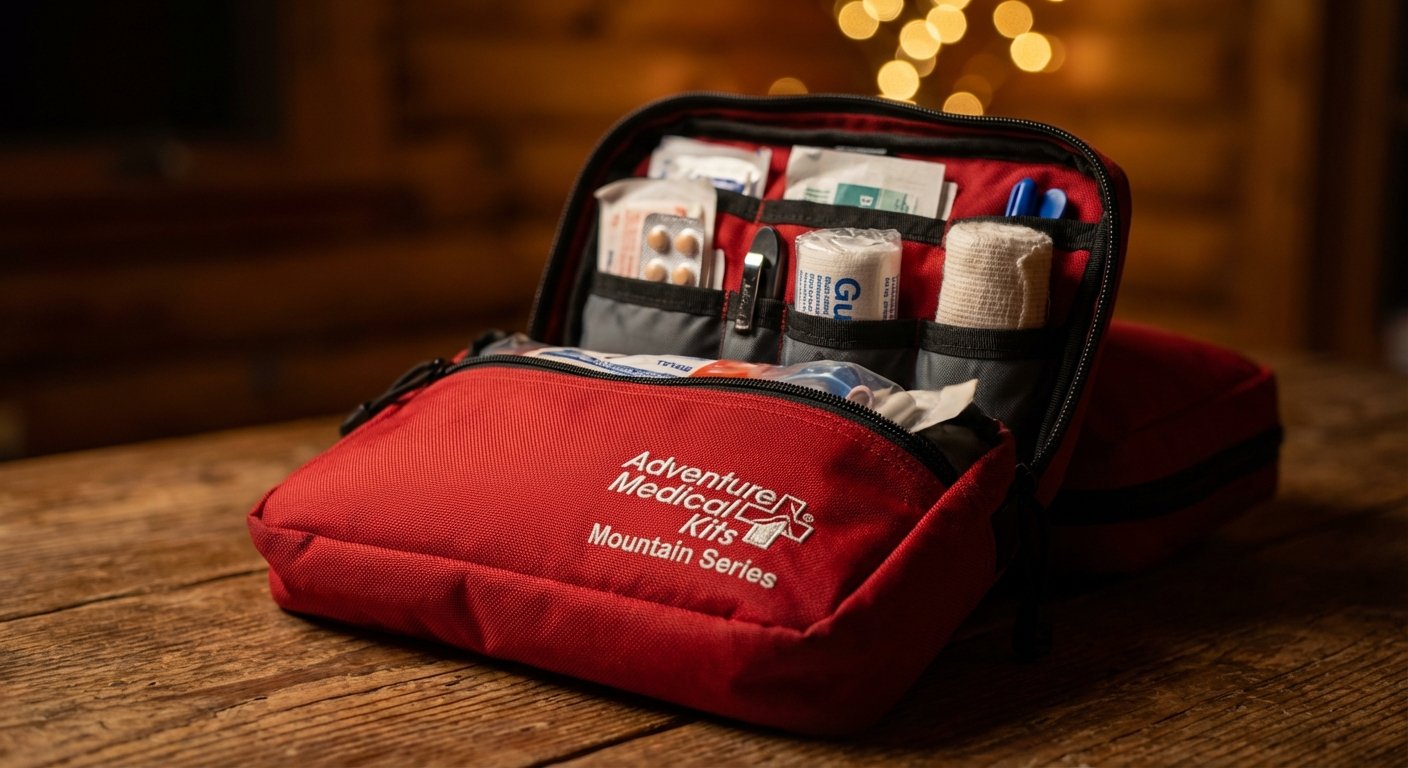
I use the Adventure Medical Kits Mountain Series. It is built for reality.
The Specs:
- Trauma Supplies: Irrigation syringe, butterfly closure strips, tincture of benzoin (makes bandages stick to bloody skin).
- Medication: Ibuprofen, Antihistamines, Aspirin (for heart attacks).
- Organization: Labeled clearly so you can find things when you are panicking.
The Logic:
Infections in tropical climates move fast. A small cut becomes a necrotic wound in 48 hours if you don’t clean it. This kit prevents a $10 problem from becoming a $10,000 amputation.
Current Price: $30 – $60 (Depending on size)
Strategy 3: The Insurance Claim Game
Insurance companies are casinos. The house always wants to win. Their business model is taking your premiums and denying your claims.
You need to beat them at their own game. You do this with documentation.
Most nomads get denied because they are sloppy. They lose receipts. They don’t get police reports. They give the insurance company an excuse to say “No.”
The “Paper Trail” Protocol:
1. Call First (If Possible)
Most policies have a 24/7 assistance number. Call them before you get treatment if you are conscious. Get a case number. This forces them to acknowledge the event in real-time. It creates a timestamp.
2. The “Itemized” Invoice
A credit card slip is not a receipt. The insurance company needs to see line items.
- Consultation fee: $50
- X-Ray: $100
- Cast: $75
If the hospital gives you a generic receipt, refuse to leave until they give you the itemized breakdown. Take a photo of it immediately. Upload it to the cloud.
3. The Police Report
If your injury involves a vehicle or a crime, you must get a police report. No report = no payout. The insurance company will assume you were doing something illegal unless a cop says otherwise.
Yes, dealing with foreign police is annoying. Losing $20,000 because you didn’t spend an hour at the station is worse.

Conclusion: Leverage Your Luck
You can be the smartest entrepreneur in the world, but if you step on a rusty nail in Thailand and ignore it, you lose.
Emergency preparedness is not about being a pessimist. It is about removing variance.
I want my variance in my business, where I can control the outcome. I do not want variance in my health.
- Make the list.
- Buy the gear.
- Keep the receipts.
It costs less than a night out drinking. The ROI is your life.
Do the work.