
This post contains affiliate links. If you purchase through our links, we may earn a small commission at no extra cost to you.
The $100,000 Mistake You Are About to Make
Most digital nomads are idiots about health insurance.
They will spend forty hours reading reviews to find the perfect travel backpack. They will spend exactly zero hours figuring out what happens if they get hit by a scooter in Bali. They cancel their home health insurance, buy a one-way ticket, and assume it will all work out.
That is how you go bankrupt.
Insurance is not a scam. It is a mathematical transfer of risk. You pay a small, known amount of money today to protect yourself from a massive, life-destroying amount of debt tomorrow.
When you leave your home country, the rules change. Your domestic health insurance probably stops at the border. If you fall off a cliff in Portugal, your home health provider does not care. You are on your own.
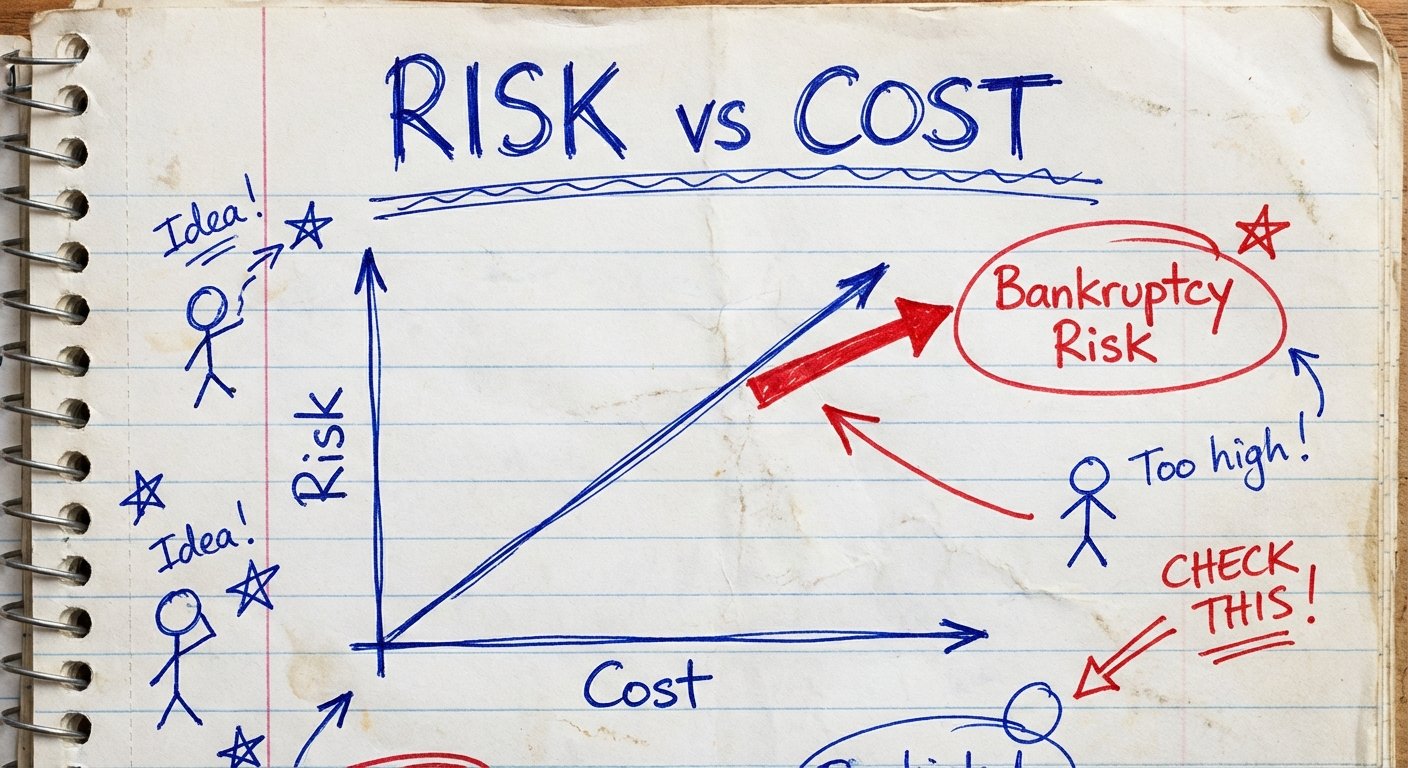
You have to build a new system. It takes about two hours to set up. Once it is running, you never have to think about it again. More importantly, it protects your net worth. You did not work this hard to build a remote income just to hand it all over to a hospital in Thailand because you were too cheap to pay $50 a month.
Here is the exact, step-by-step logic on how to handle your health insurance before you leave your home country. No fluff. No travel blogger nonsense. Just the math.
Myth 1: “My Credit Card Covers Me”
Stop relying on your travel credit card for medical insurance.
People read the marketing copy on their premium travel card and think they are invincible. You are not. Credit card insurance is designed for trip cancellations, lost luggage, and minor delays. It is not designed to rebuild your shattered femur.
Read the fine print. Most credit card medical coverage is capped at a few thousand dollars. Some cap out at $2,500. Others only cover you for the first 15 days of your trip. If you are a digital nomad traveling for six months, your credit card medical coverage expired four and a half months ago.
If you need an emergency medical evacuation back to your home country, that flight costs $100,000 to $250,000. Your credit card will not pay for it. You will.
Myth 2: “Healthcare Abroad is Cheap, I’ll Just Pay Cash”
This is the second biggest lie nomads tell themselves.
Yes, getting antibiotics for a sinus infection in Mexico is cheap. It might cost you $15 out of pocket. You don’t need insurance for that. That is an operational expense.
But insurance is not for sinus infections. Insurance is for catastrophic downside protection.
If you get diagnosed with a severe illness abroad, or get into a major transit accident, the bills compound rapidly. Intensive Care Unit (ICU) beds cost thousands of dollars per day, even in developing nations. Surgeries cost tens of thousands.
You do not buy insurance to cover a $50 doctor visit. You buy insurance so a $150,000 hospital stay doesn’t wipe out your investment portfolio. Do not confuse cheap routine care with cheap catastrophic care.
Step 1: The “Home Base” Strategy
Before you pack your bags, you need to decide what to do with your domestic health insurance. Do you keep it? Do you cancel it?
Here is the ROI-driven answer.

If you are leaving for less than six months, keep your domestic health insurance. Period. You are still a resident. If you get a catastrophic diagnosis (like cancer), you will want to fly home immediately and get treated in your home system. If you cancel your policy, you will return home uninsured and uninsurable until the next open enrollment period. Do not take that risk.
If you are leaving indefinitely and severing your tax residency, you usually drop your domestic coverage. But you still need a safety net.
If you are from the United States, the smartest financial play is the HDHP + HSA combo. High Deductible Health Plan paired with a Health Savings Account.
- The HDHP: You buy the cheapest possible catastrophic plan in your home state. It might have an $8,000 deductible. That means you pay the first $8,000 of any care out of pocket. You don’t care, because you won’t use it for routine care anyway. The premiums are dirt cheap.
- The HSA: Because you have an HDHP, the government allows you to put money into a Health Savings Account. This is the greatest tax loophole in America. It is tax-deductible when it goes in, grows tax-free, and is tax-free when you take it out for medical expenses.
You fund the HSA. You keep the HDHP active. If you ever get a terminal diagnosis abroad, you hop on a plane, fly back to the US, and your max out-of-pocket is capped at $8,000. You pay that $8,000 using the tax-free money in your HSA. Your downside is entirely boxed in.
Step 2: Securing Global Nomad Insurance
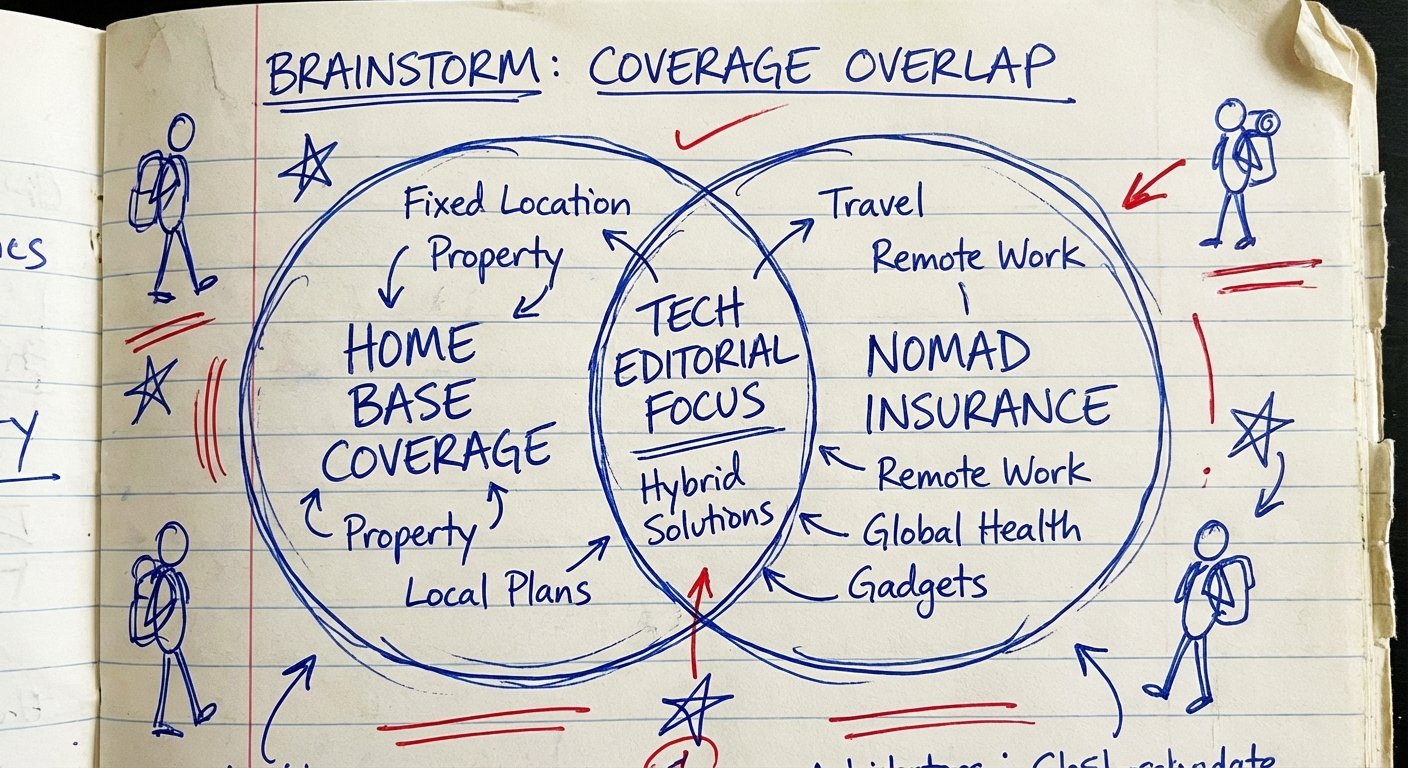
Your domestic plan is your safety net for returning home. Now you need coverage for the actual traveling.
You need travel medical insurance specifically built for digital nomads. Normal travel insurance makes you specify exact travel dates and exact countries. Nomads don’t work like that. You might go to Spain for a month, get bored, and fly to Japan. You need an insurance policy that moves with you on a subscription basis.
This is why you use SafetyWing. It is the most logical product on the market for this exact problem.
It costs around $45 to $55 a month. You pay it like a Netflix subscription. It covers you in almost every country on earth. If you decide to travel for an extra three months, you just keep paying the monthly fee. If you go home, you cancel it.
For less than two dollars a day, you get hundreds of thousands of dollars in medical coverage, plus emergency medical evacuation. Think about that math. You are trading $50 a month to eliminate a $250,000 risk.
That is a massive return on investment. If you can’t afford $50 a month to protect your life, you cannot afford to be a digital nomad.
Get your coverage sorted before you get on the plane: Get SafetyWing.
Step 3: Managing the Cash Flow of Medical Emergencies
Here is a cold, hard truth about hospitals in foreign countries: They do not care about your foreign insurance card.
If you walk into a hospital in Colombia with a broken arm, they are not going to call an insurance agent in London to verify your benefits. They want a credit card. They want cash.
With almost all nomad insurance policies, you pay out of pocket first, and then you file a claim to get reimbursed. This means you must have liquid cash available at all times.
Do not lock all your money up in illiquid assets. Keep an emergency fund of at least $5,000 to $10,000 in a highly liquid, easily accessible account. When the hospital demands payment before they perform surgery, you swipe your card. Then you get the receipt, file the claim with SafetyWing, and they wire the money back to you a few weeks later.
To handle these massive currency conversions without getting destroyed by bank fees, use a multi-currency account. When you pay a $4,000 hospital bill in Thai Baht, your standard home bank will charge you a 3% foreign transaction fee and give you a terrible exchange rate. That’s hundreds of dollars wasted.
Hold your emergency medical funds in Wise. They give you the real mid-market exchange rate. When you need to pay a foreign hospital, you convert the exact amount instantly with almost zero fees.
Protect your margins: Try Wise.
Step 4: Pack the Right Health Data Tools
Insurance covers you when things go wrong. But smart people mitigate risk before the disaster happens.
When you are traveling in remote areas, you become your own primary care doctor. You need objective data to know if you are just tired from jet lag, or if you are actually getting sick. You can’t rely on how you “feel.” Feelings are subjective. Data is objective.
If you show up at a foreign clinic, the first thing the doctor will ask is your symptom history. If you have no data, they are guessing. Give them data.
You should track your baseline biometrics. The easiest way to do this is with a rugged, reliable fitness tracker that doesn’t need to be charged every single day. The Apple Watch is a toy that dies in 18 hours. If you are trekking in Patagonia or surfing in Costa Rica, you need a tool, not a toy.
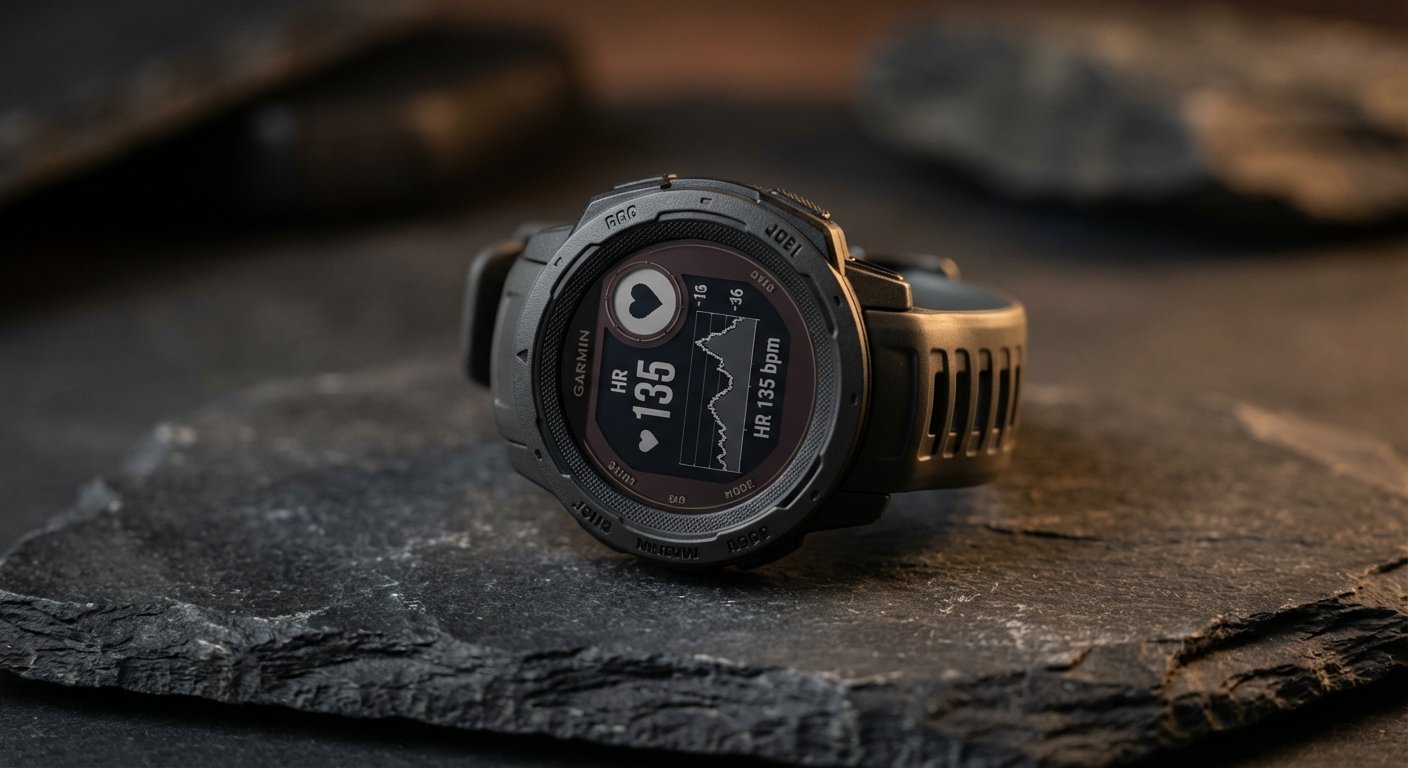
The Garmin Instinct 2 Solar is the most practical choice. It has unlimited battery life if you spend enough time in the sun. It tracks your resting heart rate, heart rate variability (HRV), and blood oxygen levels. If your resting heart rate spikes by 15 beats per minute and your HRV tanks, your body is fighting an infection. You know you are sick before the symptoms hit.
Estimated Price: $300 – $400.
Use the watch to monitor the machine. When the machine breaks, act immediately.
Step 5: Carry a Legitimate Trauma Kit
Most nomads carry a plastic bag with three Band-Aids and some expired ibuprofen. That is completely useless.
When you get injured abroad, it rarely happens right next to a world-class hospital. It happens on a hiking trail in Peru. It happens on a dirt road in Vietnam. You need to stabilize yourself to buy enough time to get to the hospital.
You do not need to build a massive paramedic bag. You just need a lightweight, waterproof kit designed for actual trauma, not just paper cuts.
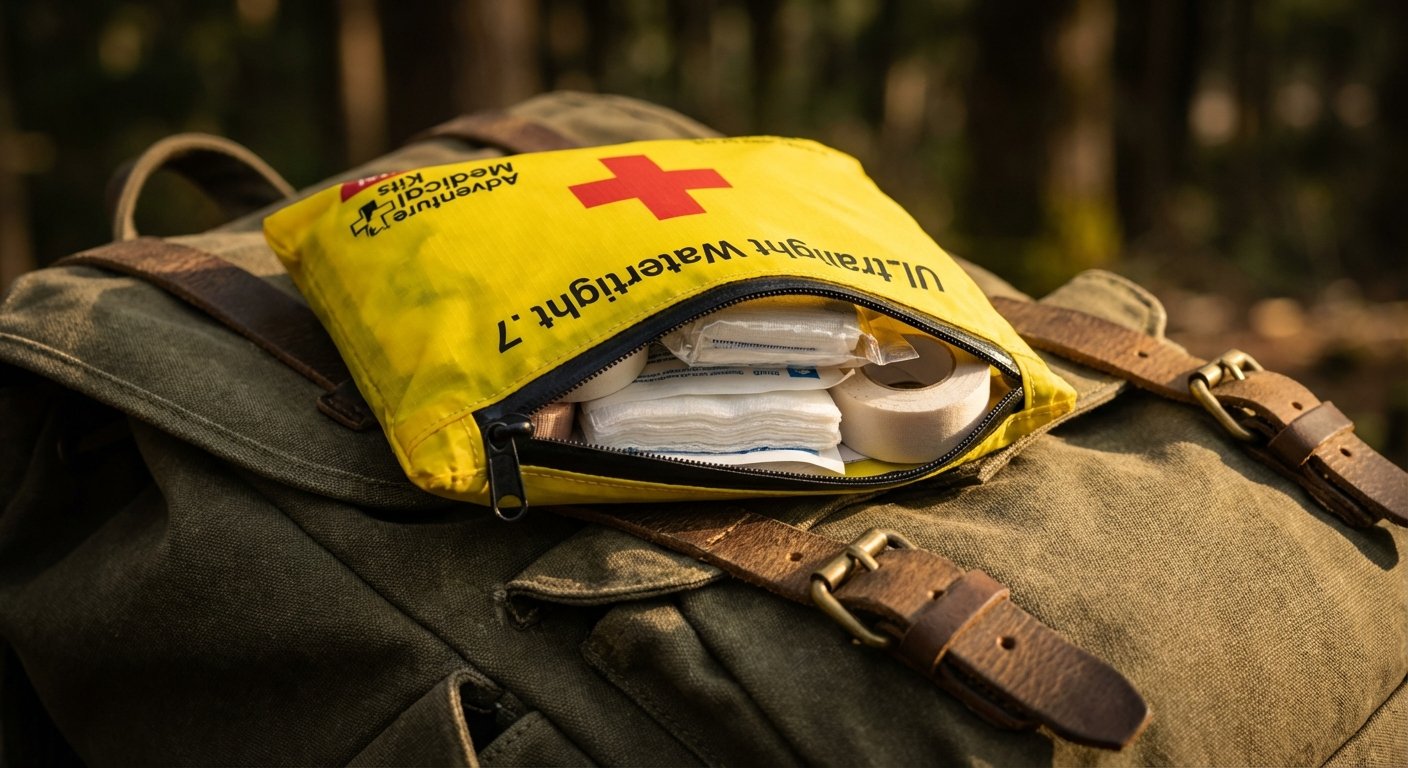
I recommend carrying the Adventure Medical Kits Ultralight / Watertight .7. It weighs less than 8 ounces. It is completely waterproof, so if your backpack gets soaked in a monsoon, your medical supplies aren’t ruined. It contains real wound closure strips, sterile dressings, and trauma pads.
Estimated Price: $30 – $35.
Buy it. Throw it in the bottom of your bag. Forget it exists until the exact moment you are bleeding. Then, be grateful you spent thirty bucks.
The Formula for Zero Health Anxiety
We can boil all of this down to a very simple system. If you want to travel the world, build businesses, and never worry about medical bankruptcy, follow this formula:
- Mitigate the Catastrophe: Keep a High Deductible Health Plan at home. Fund your HSA. This is your absolute worst-case scenario eject button.
- Cover the Journey: Buy SafetyWing. Pay the $50 a month. Never let it lapse. This covers your day-to-day accidents and international hospital stays.
- Hold Liquid Cash: Keep a $5,000 emergency fund in Wise. Use it to pay out-of-pocket costs at foreign hospitals, then file for reimbursement.
- Track Your Baseline: Wear a Garmin to monitor your heart rate and HRV. Catch illnesses early.
- Stop the Bleeding: Carry a waterproof medical kit in your bag at all times.
People complicate this. They spend months agonizing over policy documents. They post in Facebook groups asking strangers for medical insurance advice. Stop wasting time.
Set up the system. Pay the premium. Mitigate your downside risk to zero. Then get back to work.
Your business needs your attention. A broken arm shouldn’t bankrupt you. Make the smart bet, transfer the risk, and get on the plane.