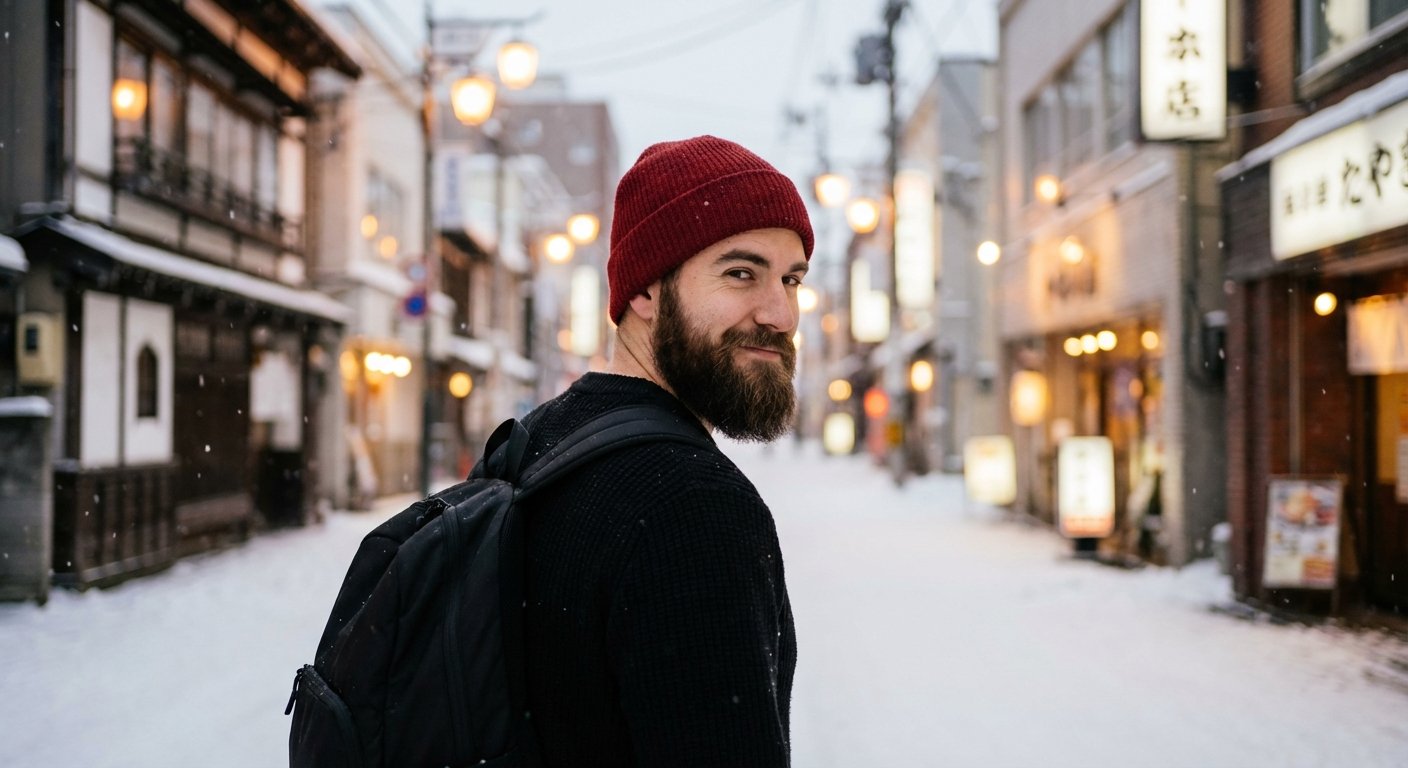
The “Tokyo Trap” and Why You Should Avoid It
Most digital nomads fail because they treat their business like a vacation.
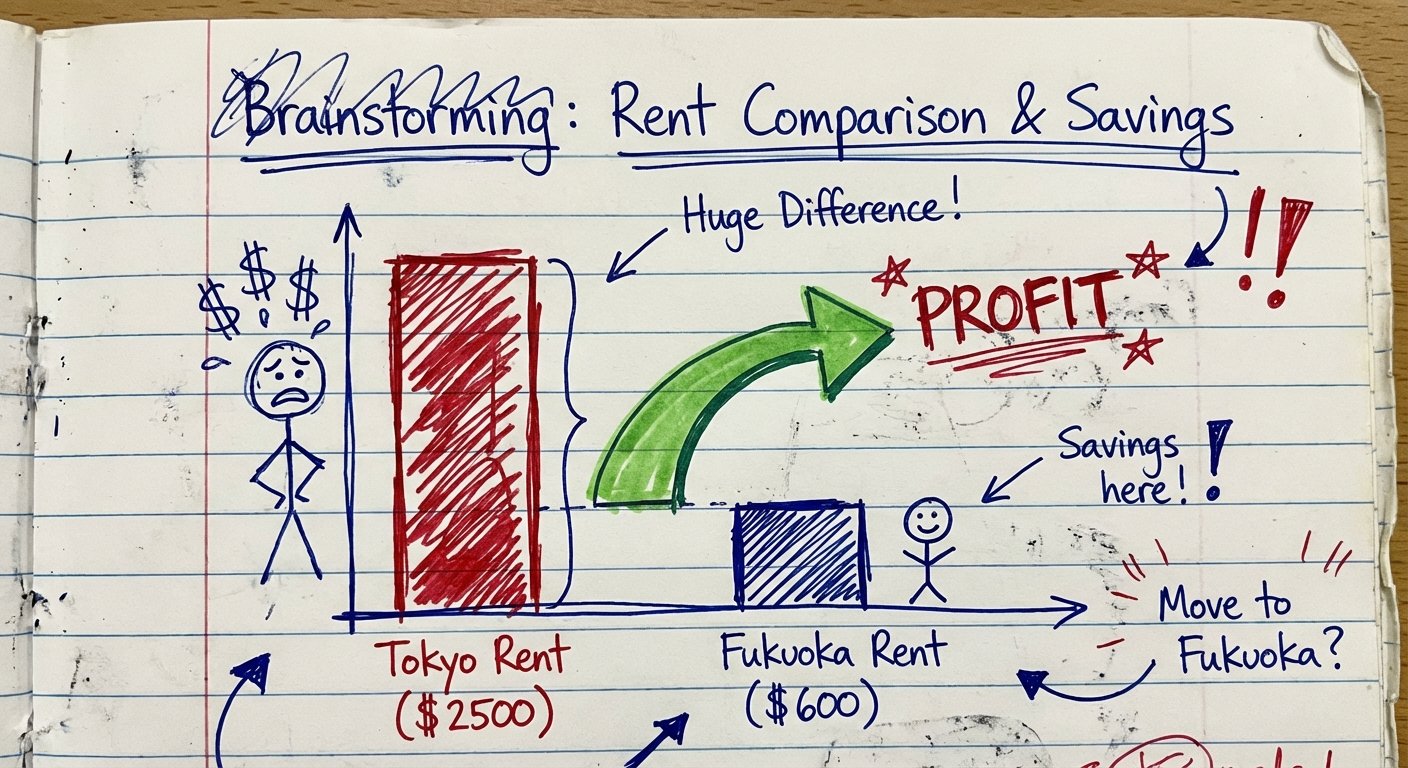
They fly to Tokyo. They rent a shoebox in Shinjuku for $2,500 a month. They spend three hours a day navigating the Yamanote Line and dodging tourists.
They call it “networking.” I call it burning cash.
Tokyo is an amazing city. It is also a terrible place to build deep focus unless you have a massive budget to insulate yourself from the noise.
If you are serious about ROI—both on your money and your time—you need to look at the data. You need Geographic Arbitrage.
Japan has the best infrastructure in the world. But you don’t need to pay Tokyo prices to get it.
You need a “Quiet Hub.”
A Quiet Hub has three requirements:
- High Speed Internet: Non-negotiable. 500Mbps up/down minimum.
- Low Cost of Living: Rent should be under $1,000/month for a premium space.
- Zero Friction: Walkable cities. Easy food. No distractions.
You go there. You work. You stack cash. You leave.
Here are the best spots in Japan that the Instagram influencers ignore.
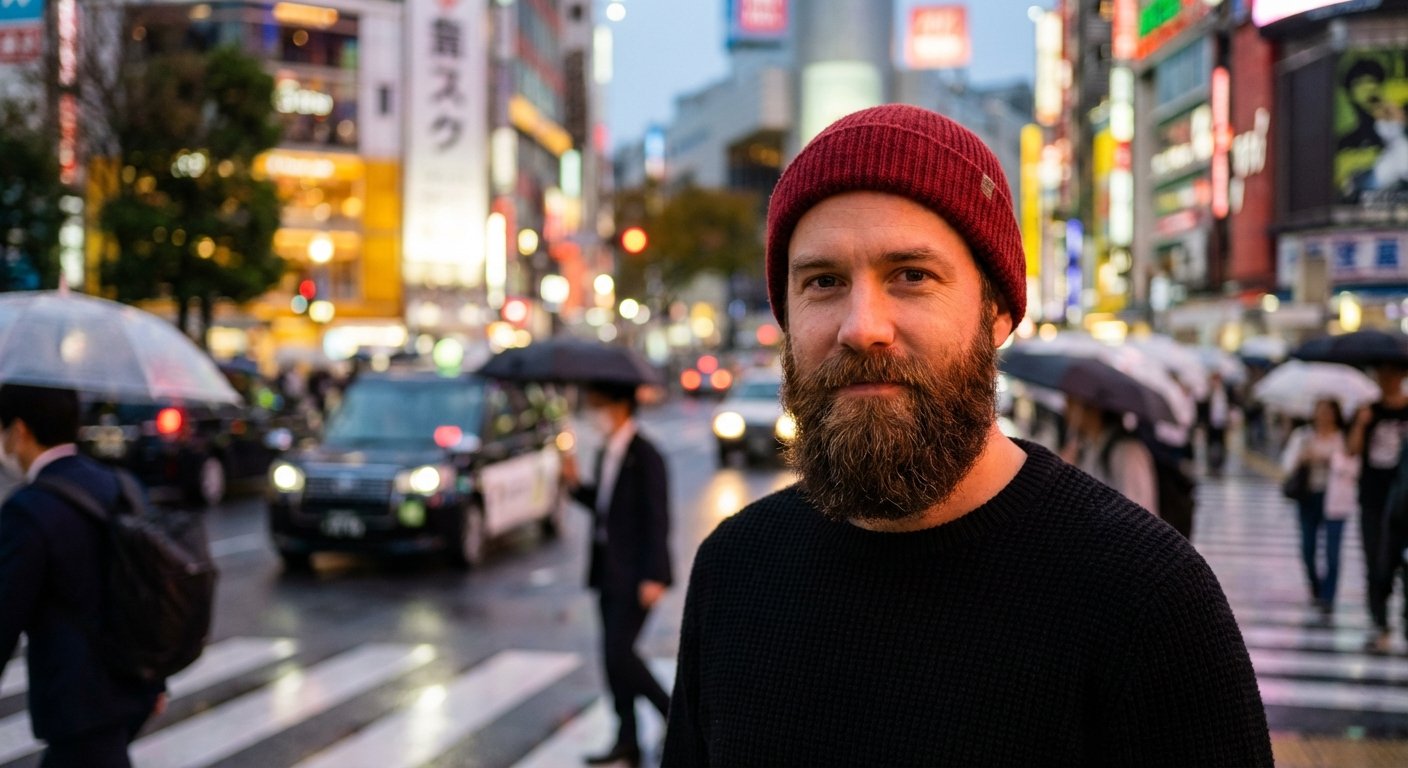
1. Fukuoka: The Startup City
If I had to pick one city to bootstrap a business in, it’s Fukuoka.
It is the fastest-growing city in Japan for a reason. The government designated it a “National Strategic Special Zone” for startups. They want you there.
The Numbers
- Rent: ~40% cheaper than Tokyo. You can get a modern 1LDK (1-bedroom apartment) for $500 – $700.
- Airport Access: This is the killer feature. The airport is 10 minutes from the city center by subway. 10 minutes.
- Food Cost: High quality, low price. Hakata ramen is $5.
The logic is simple. In Tokyo, you commute for an hour. In Fukuoka, you walk to the coworking space in 10 minutes.
That saves you 50 minutes. Over a year, that is 300 hours. That is 7.5 work weeks.
Would you pay to get 7.5 extra weeks of productivity? In Fukuoka, they pay you (in savings).
The Vibe: Young. Energetic. But not crowded. It sits on the ocean. It feels open.
2. Sapporo: The Deep Work Chamber
Sapporo is for winter.
Most nomads chase the sun. They want Bali. They want Thailand. They want distractions.
If you want to build, go where it’s cold. Go where the infrastructure is perfect.
Sapporo is a grid city. It was designed by Americans in the 1800s. It is easy to navigate. It has wide streets.
Why it works
In the winter, it snows. A lot. This forces you inside.
You get a warm apartment with high-speed fiber internet. You look out the window at the snow. You work for 12 hours.
When you take a break, you eat the best seafood in Japan. The crab, the soup curry, the miso ramen. It fuels you.
Rent is dirt cheap. You can find high-end places for $450 – $600 a month.
Summer is also a hack. While the rest of Japan is humid and miserable (95°F+), Sapporo is 75°F and breezy. It is the only place in Japan with no rainy season.
The Gear You Need to Execute
You cannot compromise on equipment. A “Quiet Hub” only works if your tech stack works.
I see nomads trying to run six-figure businesses off a cracked laptop screen and free hostel earbuds. It’s embarrassing.
Here is the minimum viable kit for high-performance remote work in Japan.
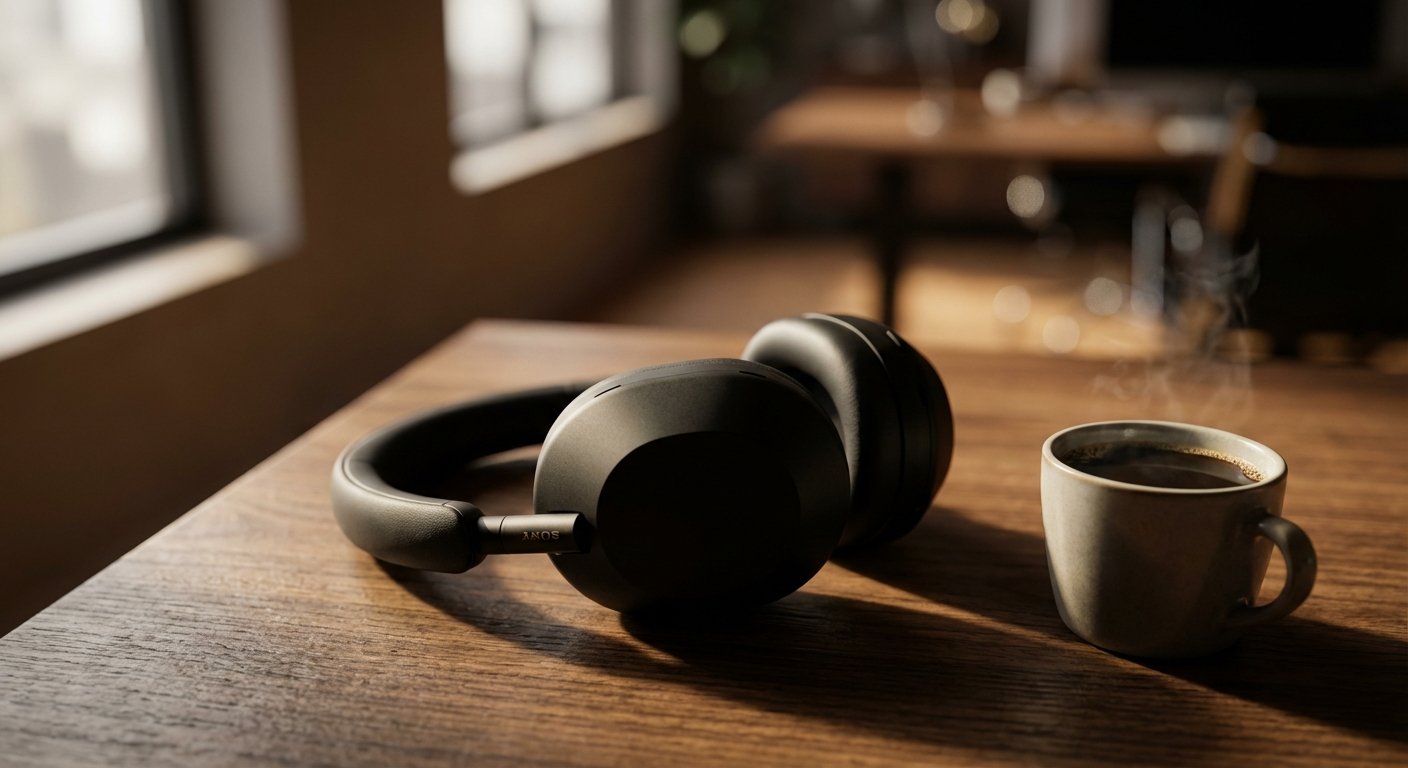
1. Silence on Demand: Sony WH-1000XM5
Japan is quiet, but cafes are not. You will hear announcements. You will hear plates clattering.
You need to buy focus. The Sony WH-1000XM5s are the industry standard. The noise cancellation deletes the outside world. The battery lasts 30 hours.
Do not buy the “budget” version. Buy the asset that protects your attention.
Price: $320 – $350
2. Screen Real Estate: ASUS ZenScreen MB16ACE
You cannot code, edit, or analyze data on a 13-inch screen. You are slower. Being slow costs money.
You need a second monitor.
The ASUS ZenScreen is 15.6 inches. It is 1080p. It runs off a single USB-C cable. It slides into your backpack like a folder.
I don’t care about the brand loyalty, I care about the utility. This one works.
Price: $160 – $200
3. Security: GL.iNet GL-AXT1800 (Slate AX)
Public WiFi is a security risk. Japanese cafe WiFi often times out after 60 minutes.
You need a travel router. This creates your own private network. You connect it to the hotel ethernet or repeat the cafe WiFi.
It has a built-in VPN client. You flip a switch, you are back in the US IP address. Essential for banking and accessing geo-locked tools.
Price: $110 – $140
3. Kobe: The Wealthy Neighbor
Osaka is loud. It is fun, but it is loud.
20 minutes away by train is Kobe. Kobe is where the money lives.
It is sandwiched between the mountains and the sea. The pace is slower. The people are well-dressed. The coffee shops are quieter.
This is “Old Money” Japan.
The Strategy
Live in Kobe. Work in silence. If you need to take a meeting or have a chaotic night out, take the train to Osaka. It costs $3.
Then you come back to Kobe to sleep.
Rent is higher than Fukuoka, but lower than Tokyo. Expect $700 – $900 for a good spot.
There are old western-style houses (Ijinkan) turned into Starbucks and coworking spaces. It feels like Europe mixed with Japan. The aesthetic reduces stress.
4. Kanazawa: The “Little Kyoto” (Without Tourists)
Kyoto is ruined. I said it.
It is beautiful, but you cannot walk down the street without hitting a selfie stick. It is Disneyland for temples.
Kanazawa is what people think Kyoto is.
It has the samurai districts. It has the geisha districts. It has the Kenroku-en garden (one of the top 3 in Japan).
But it has 10% of the tourists.
Why here?
Inspiration. If you are a writer, a designer, or a creator, the environment matters.
Kanazawa is visually stunning. It rains a lot, which keeps the air clean and the crowds low.
The seafood is on par with Sapporo. The bullet train (Shinkansen) connects you to Tokyo in 2.5 hours if you absolutely need to go.
Rent is absurdly low. $400 – $600 gets you a massive place.
5. Okinawa (Naha City): The Tax Haven Vibe
Okinawa is different. It is historically distinct from mainland Japan.
The culture is laid back. It is tropical.
Most people go to the remote islands. Do not do that. The internet is spotty and there is no infrastructure.
Stay in Naha. It is the capital city.
It has a monorail. It has malls. It has 5G everywhere. But it feels like Hawaii.
The ROI Play: Cost of living is the lowest on this list. You can live like a king for $1,500 total monthly spend.
If you make $5,000/month, you are saving $3,500. Put that in the S&P 500.
The downside? It gets humid. You need AC. But if you thrive in heat, this is the spot.
The Final Decision
Stop overthinking it.
Most people spend six months planning a trip and two weeks actually doing it.
Do the opposite. Spend two hours planning and six months doing.
The formula is simple:
- Do you hate winter? Go to Fukuoka or Naha.
- Do you need deep focus and cheap rent? Go to Sapporo.
- Do you want class and proximity to big business? Go to Kobe.
- Do you need art and history? Go to Kanazawa.
Pick one. Buy the ticket. Get the gear. Get to work.
Japan is waiting. But Tokyo is not the answer.