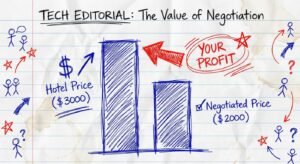
Most digital nomads are broke.
They move to Bali. They buy $3 nasi goreng. They pretend they are building an empire.
They aren’t. They are on an extended vacation.
If you want to play in the big leagues, you go where the money is. In 2026, the money is still in London. It is the financial capital of the world. It is where deals happen.
But London will chew you up and spit you out if you are stupid with your cash.
The cost of living crisis didn’t end. It became the new normal. If you come here with a “Chiang Mai budget,” you will be on a flight home in three days.
I have run the numbers. I have lived the lifestyle. Here is exactly what it costs to survive in London as a nomad in 2026, and how to get a positive ROI on your stay.
Stop guessing. Look at the math.
The Rent Trap: Zone 1 is for Suckers
The biggest mistake nomads make is thinking they need to live in Soho or Shoreditch to “experience” London.
That is tourist thinking.
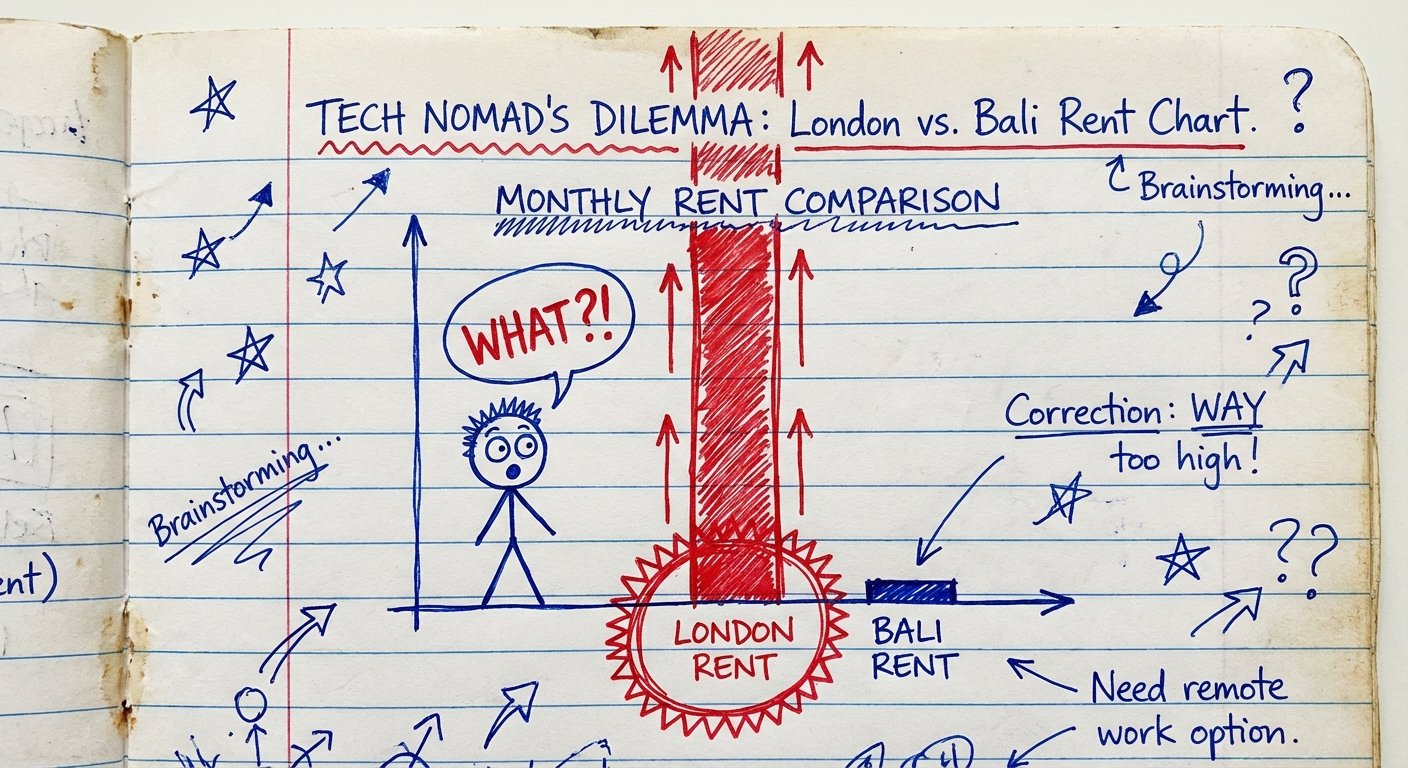
In 2026, a studio apartment in Zone 1 (central London) on a short-term lease will cost you upwards of £3,500 ($4,400) per month. That is net loss. You cannot network enough to justify that burn rate unless you are closing six-figure deals weekly.
Here is the strategy:
- Move to Zone 3. Look at places like Leyton, Acton, or Tooting.
- Use the Tube. It takes 25 minutes to get to the center. You save roughly £1,500 a month in rent.
- The ROI on commuting: If you value your time at $100/hour, a 1-hour round trip costs you $100. Saving $1,900 on rent requires 19 hours of commuting to break even. You will commute less than that. The math works.
Do not book hotels. Hotels in London are a scam. The rooms are the size of a shoebox and cost $250 a night for mediocrity.
Airbnb is dying. The cleaning fees and service charges in 2026 have made it unusable for stays under 30 days. The hosts are greedy. The regulations are tight.
The Solution: Look for “serviced apartments” or corporate lets that offer 1-3 month flexible leases. They are boring. They are sterile. But they include Wi-Fi, utilities, and a desk. That is all you need.
The Workspace Equation
You cannot work from a coffee shop in London.
I see nomads trying to do this. They buy a £5 latte and sit there for 4 hours. The staff hates them. The Wi-Fi is throttled. The noise level is 85 decibels.
If you are building a business, you need focus. You cannot focus when a barista is shouting names every 30 seconds.
You have two choices:
- Coworking Spaces: WeWork and its competitors charge about £400 ($500) per month for a hot desk. This is good if you need to meet people. It is bad if you are in “deep work” mode.
- Your Apartment + Noise Cancellation: This is the high-ROI play. You control the environment. You save the commute time.
But London apartments are small. The walls are thin. You will hear your neighbor watching TV. You will hear the sirens.
You need to buy silence. Silence is an asset.
If you don’t have top-tier noise-canceling headphones, you are not working. You are just sitting in front of a laptop getting distracted.
The best tool for this right now is the Sony WH-1000XM5. The noise cancellation kills the sirens. The battery lasts 30 hours. The microphone is good enough for closing deals on Zoom.
Price: $320 – $350

The Screen Real Estate Problem
If you are working off a single 13-inch laptop screen, you are losing money.
I don’t care how “minimalist” you want to be. Switching between tabs takes time. Time is money. If you save 10 seconds per task, and you do 500 tasks a day, you save time. But more importantly, you save mental bandwidth.
You cannot carry a 27-inch monitor in your backpack. But you can carry a portable monitor.
London apartments often have tiny tables. You need a dual-screen setup that fits on a dinner plate.
I use the ASUS ZenScreen MB16AC. It’s 15.6 inches. It weighs nothing (under 2 lbs). It runs off a single USB-C cable. You plug it in, you double your workspace, you double your output.
When you are done, you slide it into your bag. Simple.
Price: $160 – $200
Transport: The Silent Budget Killer
The London Underground (The Tube) is a marvel of engineering. It is also a money incinerator.
In 2026, a single Zone 1-3 trip is nearly £4.50 during peak hours. If you tap in and out three times a day, you are spending £400 a month on trains. That is a car payment.
The “Walk” Rule:
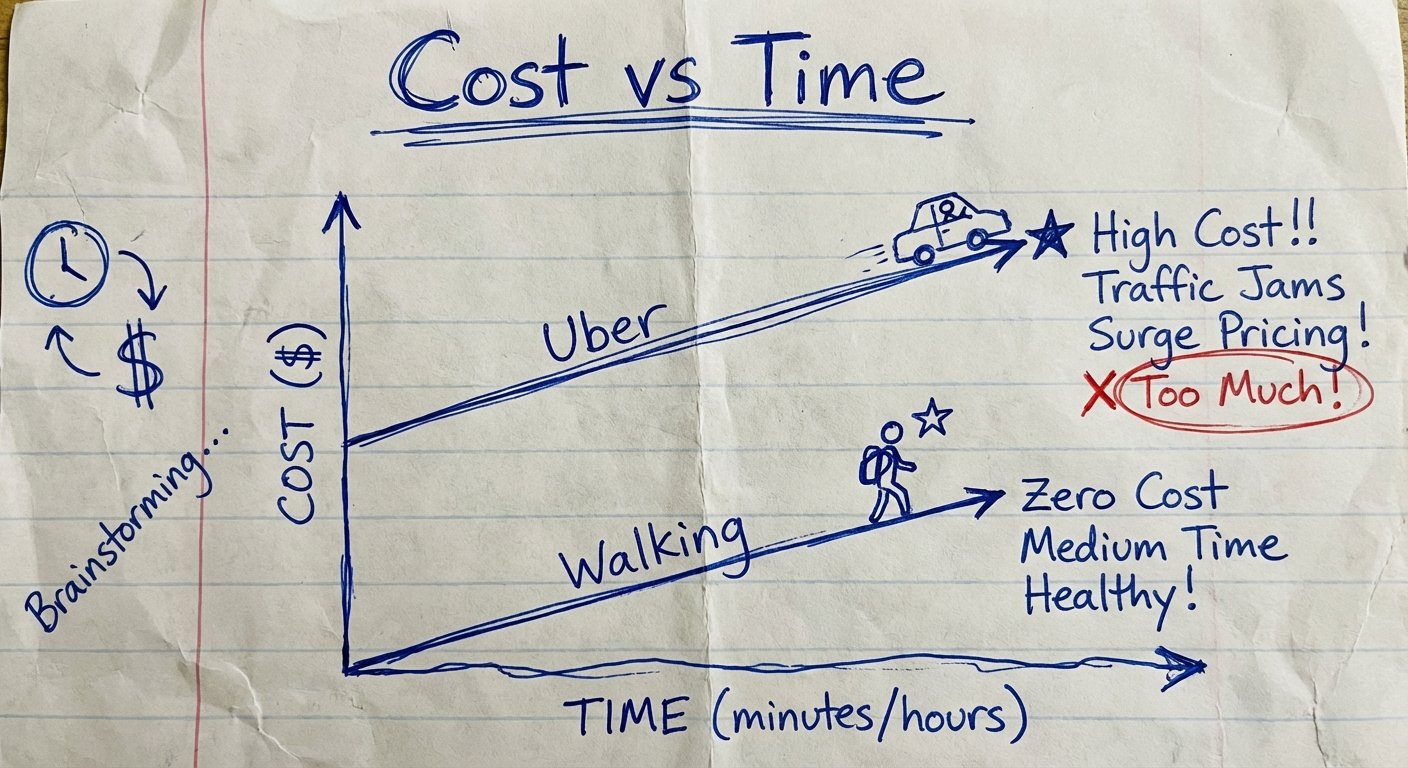
If the destination is less than 30 minutes away by foot, you walk. London is flat. Walking is free. You get your cardio in. You listen to a podcast.
If you take an Uber, you are setting money on fire. Traffic in London is gridlock. You will pay £25 to sit in traffic for 40 minutes. The Tube takes 15 minutes. Walking takes 30.
The only time you take an Uber is if it is 2:00 AM or you are carrying luggage.
However, walking and navigating drains your phone battery. You are using GPS constantly. You are scanning QR codes for menus. If your phone dies, you are stranded. You cannot buy a ticket without Apple Pay.
You need power. Do not buy the cheap gas station chargers. They break. Get a brick that can charge your laptop and your phone.
The Anker 737 Power Bank (PowerCore 24K) is the standard. It outputs 140W. It charges a MacBook Pro. It has a digital display so you know exactly how much juice is left.
Price: $100 – $150
Food: Fuel vs. Entertainment
Separating “eating” from “dining” is how you survive London.
Dining is entertainment. You go to a nice steakhouse in Mayfair. You spend £150. You do this once a week to network or celebrate. That is an expense.
Eating is fuel. You need protein and calories to keep your brain working.
If you eat out for every meal in London, you will spend £2,000 a month and you will get fat. The cheap food is full of seed oils and sugar. The healthy food costs a fortune.
Here is the reality of London food prices in 2026:
- Pub Burger & Pint: £22 ($28)
- Pret a Manger Sandwich: £6.50 ($8.20)
- Restaurant Dinner (Mid-range): £45 ($57) per person
The Strategy:
Shop at Tesco or Sainsbury’s. Buy rotisserie chickens, bags of spinach, and eggs. It is boring. It works.
Meal deals (Sandwich + Drink + Snack) used to be the hack. Now they are overpriced and low quality. Avoid them.
If you are working from your rental, cook breakfast and lunch. Only pay for dinner if you are with a client or a date.
Connectivity: Don’t Trust the Landlord
You rent a flat. The listing says “High Speed Wi-Fi.”
You arrive. The router is from 2015. It is behind a sofa. You get 4 Mbps download speed. You cannot upload a video.
You are dead in the water.
London infrastructure is old. The copper wiring is old. You cannot rely on the provided internet.
You need a backup. You also need security because public Wi-Fi in London is a data-harvesting nightmare.
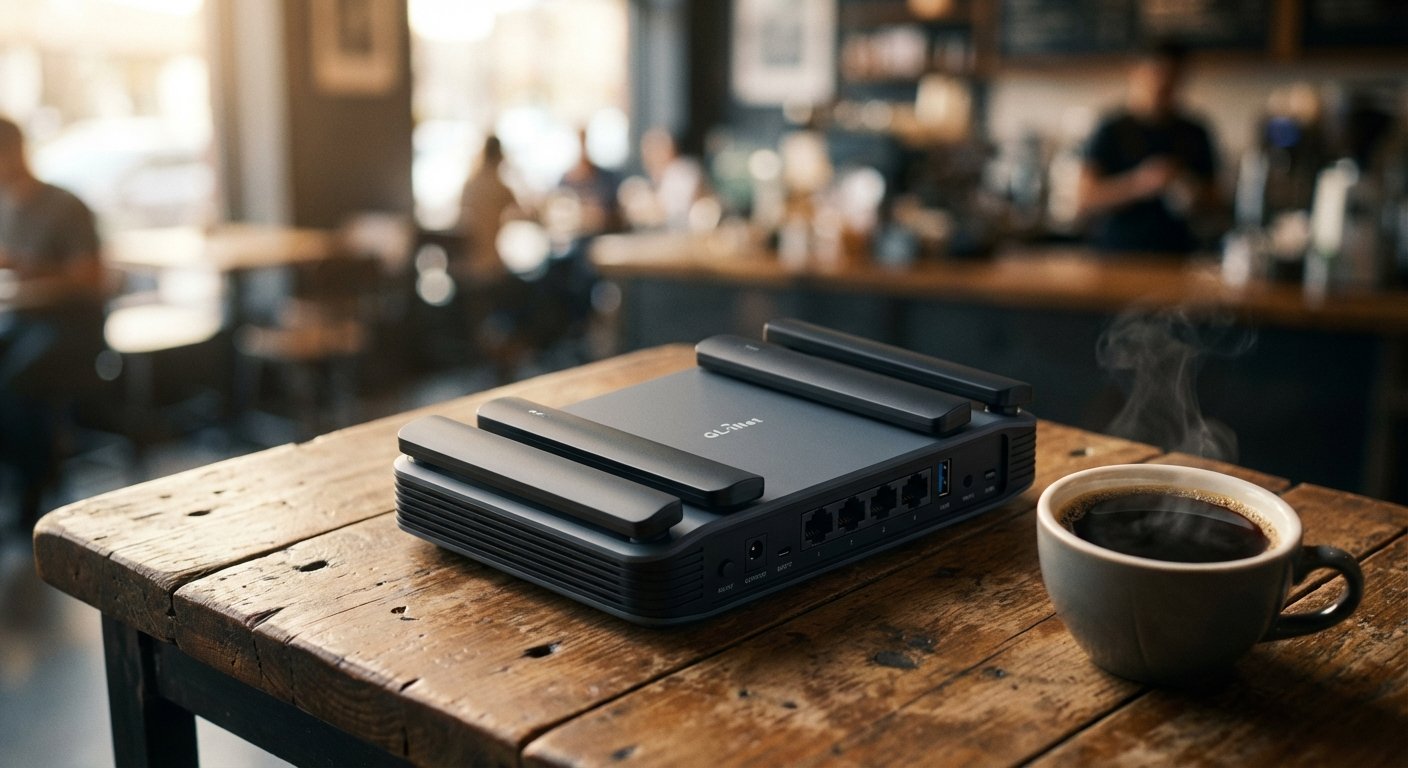
I carry a portable router. It allows me to bridge public Wi-Fi networks (like in a hotel or cafe) to my own private secure network. I can also tether it to my phone’s 5G if the landline internet goes down.
The GL.iNet GL-AXT1800 (Slate AX) fits in your pocket. It runs a VPN automatically. It gives you Wi-Fi 6 speeds. It ensures you never miss a call because “the internet was bad.”
Price: $110 – $140
The Total Number: The 2026 Monthly Burn
Let’s add it up. This is for a single person, living comfortably but not lavishly, in Zone 2/3.
- Rent (Serviced Apt/Short Let): $2,800
- Food (Grocery + 1 Dinner/week): $800
- Transport (Tube + Occasional Uber): $350
- Gym/Health: $100
- Phone/Data: $50
- Misc/Entertainment: $400
Total Monthly Burn: $4,500
This is the baseline.
If you make $3,000 a month, do not come to London. You will go into debt. Go to Vietnam. Build your cash flow. Come back when you are ready.
If you make $10,000 a month, London is a high-leverage environment. You spend $4,500 to live in a city where one handshake can make you $50,000.
The Networking Multiplier
Why pay $4,500 a month when you could live in Bangkok for $1,500?
Access.
In Bangkok, you meet other nomads trying to figure out dropshipping. In London, you meet VC associates, fintech founders, and agency owners doing $10M+ a year.
But you have to actually leave your house. If you pay the London premium just to sit in your apartment and watch Netflix, you are burning cash for no reason.
Your goal in London is to maximize ROA: Return on Attention.
Go to the events. Pay for the expensive gym (Equinox or Third Space). That is where the winners are. If you join a £200/month gym and meet one client who pays you £5,000, the gym was free.

Conclusion: Is It Worth It?
London is expensive. It is crowded. It is cold.
It is also the best place in the world to level up your career if you are in finance, tech, or media.
The cost of being a nomad here isn’t just the money. It’s the energy. It requires high energy to survive here.
If you are soft, stay home. If you are ready to work, pack your bags.
Get the headphones. Get the portable screen. Get the power bank. Minimize your friction. Maximize your output.
That is how you win.