The Digital Nomad Diet: How to Eat Healthy in Street Food Paradises
Most digital nomads look like trash.
I’m not trying to be mean. I’m looking at the data.
You fly to Thailand, Mexico, or Bali. You want the “freedom lifestyle.” You want to hack the system by earning dollars and spending pesos.
But then you make a critical error.
You equate “low cost of living” with “eating whatever is cheapest.”
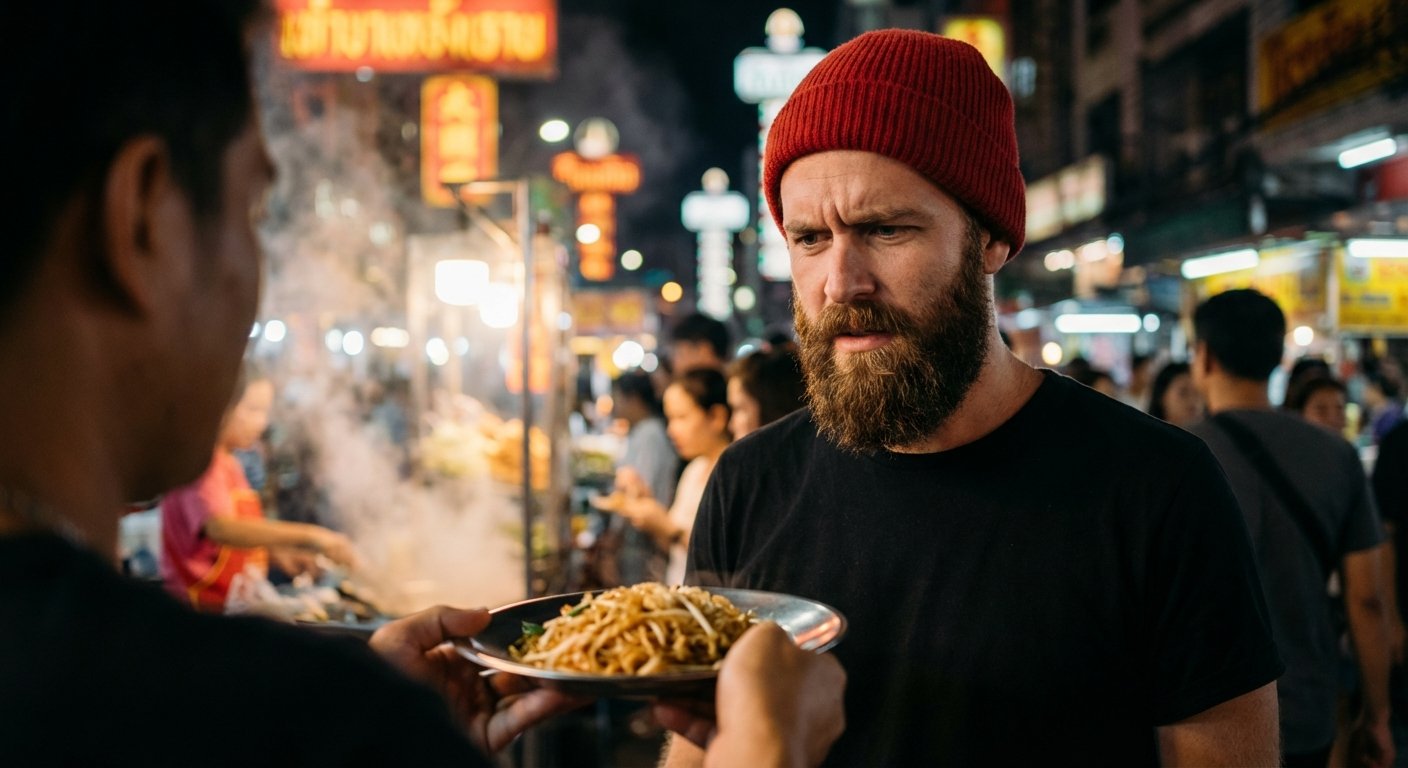
You eat the $1 Pad Thai. You eat the $0.50 tacos. You drink the sugary fruit shakes.
Six months later, you have gained 15 pounds of inflammation. Your brain fog is so thick you can’t close a client. Your energy crashes at 2 PM everyday.
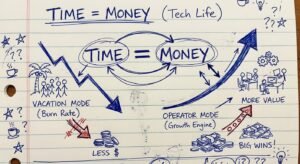
You saved $10 on lunch. But you lost $1,000 in productivity.
That is a bad trade.
If you want to win at the game of location independence, you need to treat your body like an asset, not a garbage disposal. You need high output. You need leverage.
Here is how you eat healthy in street food paradises without acting like a monk.
The “Local Food” Fallacy
There is a romantic idea that “eating like a local” is healthy. It usually isn’t.
In most developing nations, high-calorie, low-nutrient food is the standard. It’s cheap fuel for physical labor.
Rice. Noodles. Tortillas. Fried dough. Seed oils.
If you are a farmer working 12 hours a day in the sun, you burn that off. If you are a copywriter sitting in a coworking space with AC, you store it as fat.
Street food is delicious. It is also a productivity killer.
It spikes your insulin. It crashes your energy. It ruins your focus.
You cannot build a million-dollar business if you are in a food coma from 1 PM to 4 PM every day. That is 20% of your waking life wasted.
The ROI of Your Diet
Let’s look at the math.
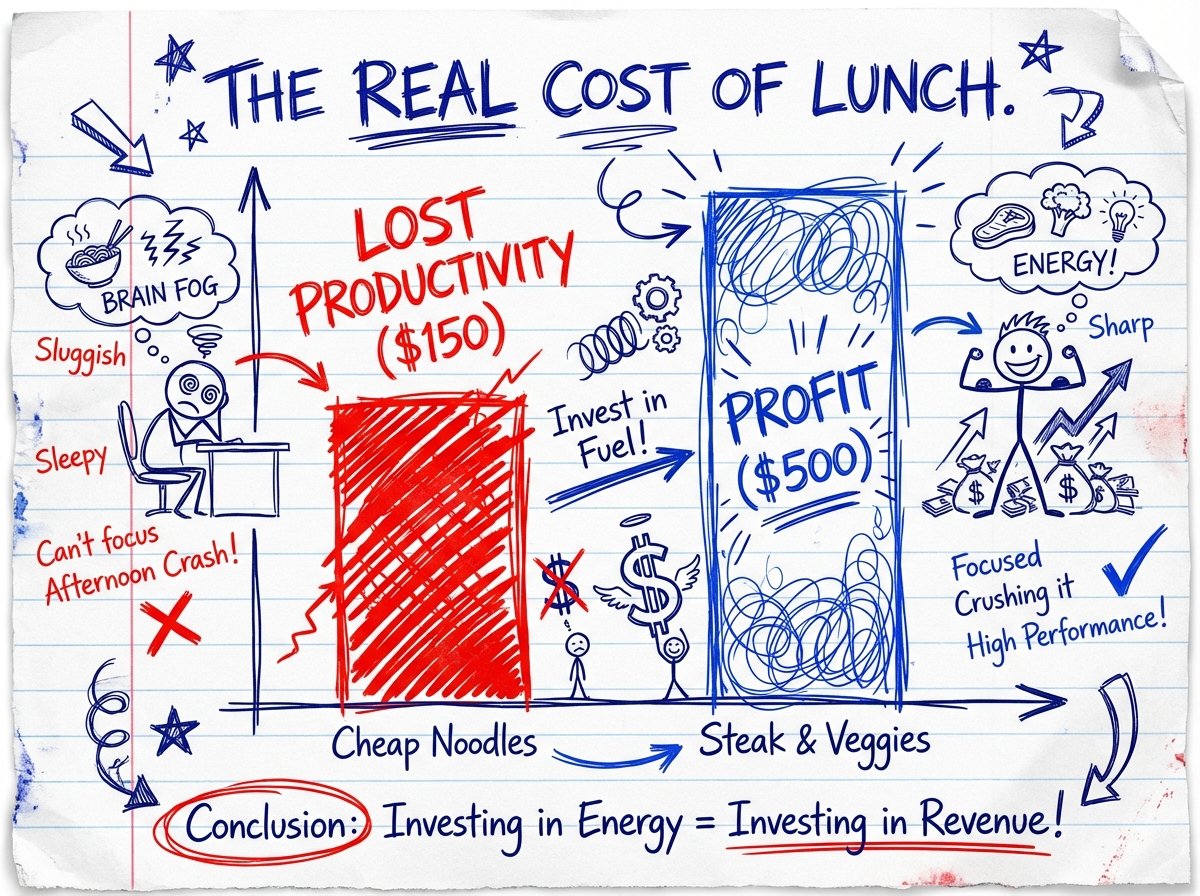
Scenario A (The Broke Nomad):
Lunch cost: $2 (Noodles + Coke)
Nutritional value: 10g Protein, 90g Carbs, 30g Fat (Soybean oil)
Result: 3 hours of brain fog. Zero focus.
Scenario B (The High Performer):
Lunch cost: $10 (Double steak, vegetables, water)
Nutritional value: 60g Protein, 10g Carbs, 25g Fat
Result: Stable energy. 3 hours of Deep Work.
The difference in cost is $8.
If your hourly rate is $50, and you lose 3 hours of productivity in Scenario A, that $2 meal actually cost you $150.
Stop being cheap. Start being effective.
The Protein Anchor Framework
You need a simple rule to navigate chaos.
When you are in Chiang Mai, Mexico City, or Medellin, you cannot count calories accurately. You don’t know what oil they use. You don’t know the portion sizes.
So we use one metric: Protein.
Your goal is 1 gram of protein per pound of body weight. If you weigh 180 lbs, you eat 180g of protein.
Why?
- Protein has the highest thermic effect (you burn calories digesting it).
- Protein is the most satiating macronutrient (you stop feeling hungry).
- Protein protects muscle mass (which keeps your metabolism high).
When you sit down to eat, you do not look at the menu. You look for the “Protein Anchor.”
You find the meat. You order double. You skip the filler.
Gear You Actually Need
You cannot rely 100% on street vendors. You need control. Control requires tools.
I see nomads traveling with three cameras and a drone, but they don’t have a way to make a healthy breakfast. That is stupid.
Here are the two things you need in your suitcase.
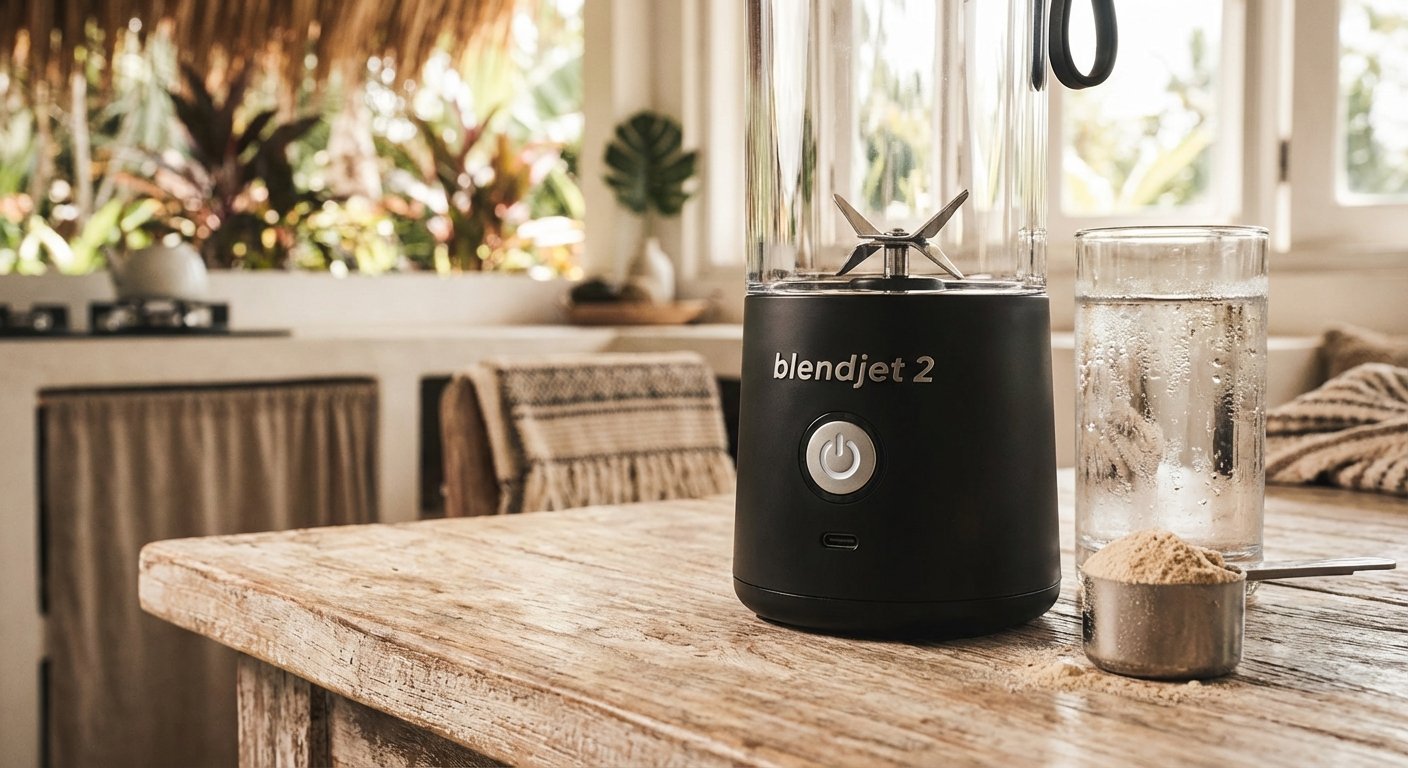
1. The Portable Blender
This is non-negotiable. You need to be able to make a protein shake anywhere. Hotel room. Airbnb. Coworking space pantry.
If you rely on finding “healthy cafes,” you will pay $15 for a smoothie that is mostly banana and sugar syrup. Make your own.
The BlendJet 2 is the current standard. It charges via USB-C (so you don’t need a weird adapter). It’s powerful enough to crush ice. It fits in a carry-on.
Amazon Price Range: $40 – $50
2. The Collapsible Container
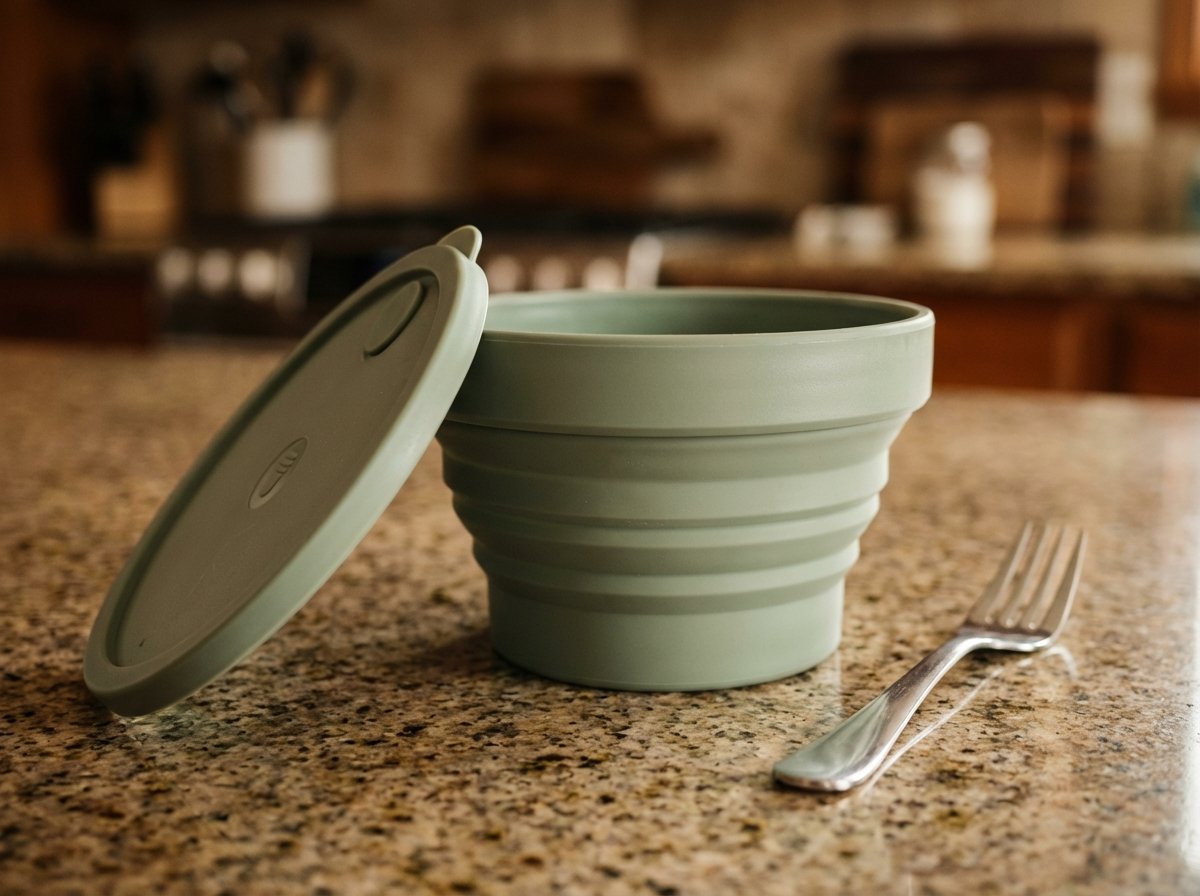
Street food usually comes in plastic bags or Styrofoam. It’s messy and toxic. Plus, if you want to meal prep or save leftovers (because you ordered double meat), you need a vessel.
Do not use cheap plastic tupperware that leaks in your backpack.
Get a collapsible silicone bowl. It squashes flat when you aren’t using it. It takes up zero space.
The Stojo Collapsible Bowl is solid. It seals tight. It’s easy to clean.
Amazon Price Range: $20 – $25
The Supplement Stack for Travelers
You cannot hit 180g of protein on street food alone without consuming 4,000 calories of oil.
If you order “Chicken Rice” in Thailand, you get 15g of protein and 60g of carbs. To get 60g of protein, you’d have to eat four plates. That’s 240g of carbs. You will get fat.
You need pure leverage. You need supplements.
Whey Protein Isolate
This is the cheapest, most efficient food source on the planet. It is pure protein. No fat. No carbs.
Bring a bag with you. When you run out, buy more locally. Do not skip this.
I recommend Optimum Nutrition Gold Standard 100% Whey. It mixes easily in water (crucial when you don’t have almond milk). It tastes fine.
Amazon Price Range: $40 – $85 (Depending on size)
Greens Powder
In many street food cultures, “vegetables” means a garnish of cilantro or cucumber.
You will become micronutrient deficient. Your immune system will drop. Then you get “Bali Belly.” Then you lose a week of work.
Insurance is cheap. Buy a greens powder.
Amazing Grass Greens Blend is a solid choice. It’s cheaper than the hyped-up brands but does the job. It has the fiber and vitamins you are missing.
Amazon Price Range: $30 – $40
Tactics: How to Order Like a CEO
You are not a tourist. You are a business owner. Stop being polite.
When you go to a street vendor, you are conducting a transaction. You are trading money for fuel.
Here is the script.
1. “No Rice, Double Meat”
Learn this phrase in the local language. Spanish: “Sin arroz, doble carne.” Thai: “Mai ow kao, ow nua sat perm.”
They will look at you like you are crazy. They will charge you extra. Pay it.
You are paying for the absence of insulin spikes.
2. The Convenience Store Hack
Every country has a 7-Eleven or OXXO.
- Buy canned tuna (in water, not oil).
- Buy boiled eggs (most Asian 7-Elevens have these ready to eat).
- Buy plain yogurt.
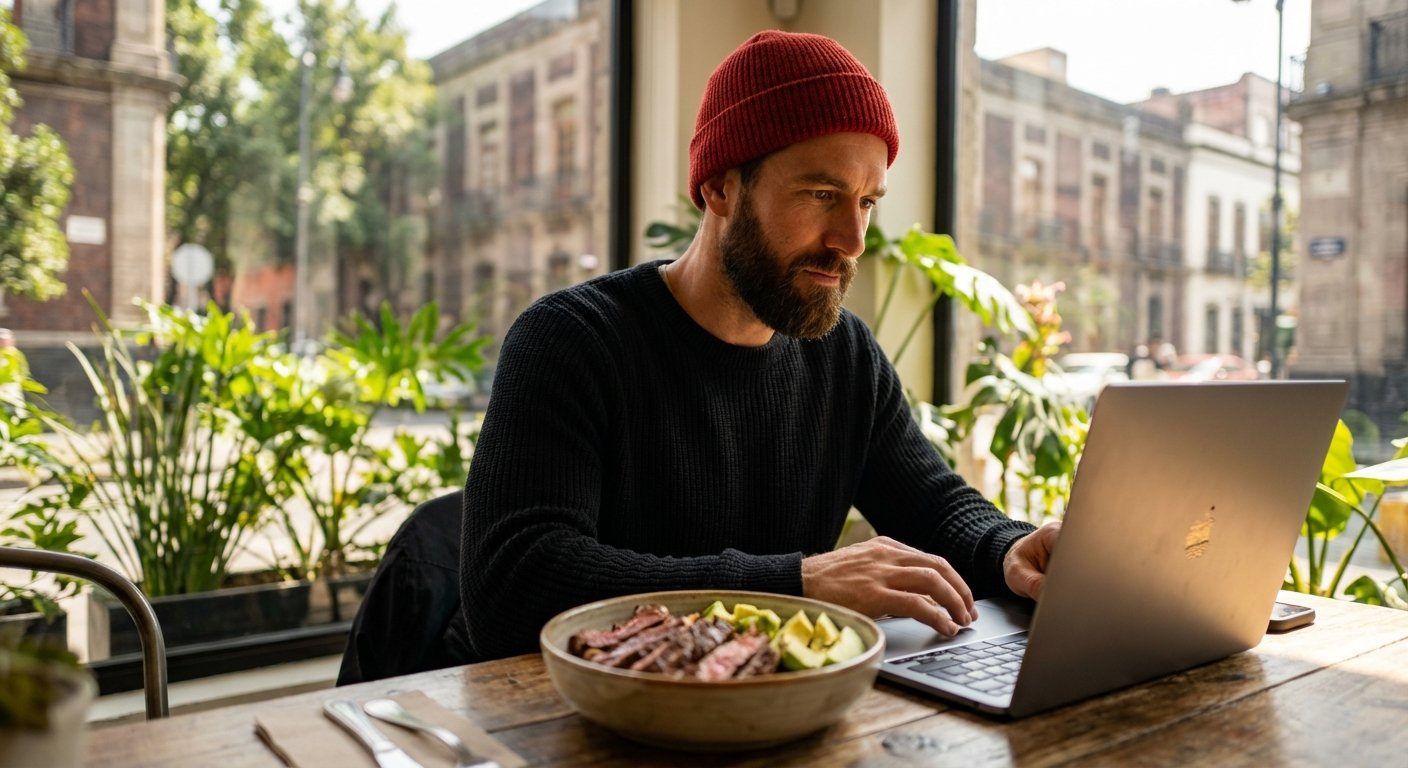
Is it a gourmet meal? No. It is 40g of protein for $3. Eat it and get back to work.
The “One Meal” Strategy
If you are serious about focus, look into Intermittent Fasting.
Skip breakfast. Drink black coffee and water until 1 PM.
Why?
- Simplicity: One less decision to make in the morning.
- Productivity: Fasting increases mental clarity and alertness (norepinephrine release).
- Calorie Budgeting: If you skip breakfast, you have more calories available for dinner. This means you can actually enjoy a social meal with friends without going over your limit.
When you do break your fast, use your BlendJet 2. Protein powder + water + greens. Break the fast with protein, not carbs.
The Cost of Getting Sick
People tell me eating healthy while traveling is “too expensive.”
Let’s talk about the cost of food poisoning.
You eat the sketchy seafood because it was $3 cheaper than the clean restaurant.
- You get sick for 3 days.
- You miss client calls.
- You feel weak for another 4 days.
- You pay for medicine and electrolytes.
Total cost: Hundreds, maybe thousands of dollars in lost opportunity.
Avoid raw vegetables washed in tap water. Avoid ice if you aren’t sure of the source. Avoid meat that has been sitting in the sun.
Paying a premium for hygiene is an investment with a massive return.
Conclusion
The “Digital Nomad Diet” is not about deprivation. It is about allocation.
Allocating your calories to protein. Allocating your money to quality. Allocating your energy to your business.
The world wants to feed you sugar and oil because it is cheap. If you consume it, you become slow and weak.
Reject the default. Bring your gear. Prioritize protein. Pay for double meat.
Build the body that can support the business you are trying to build.
Now go do the work.